China’s LED manufacturing base has become a major source for flexible lighting worldwide. Buyers now compare more than price and color options. They examine efficiency, thermal control, safety documentation, and long-term consistency.
The International Energy Agency’s Energy Efficiency 2023 report states that lighting represents roughly 15% of global electricity consumption. It also identifies efficient lighting as an important energy-saving opportunity. The U.S. Department of Energy’s solid-state lighting research further shows how LED performance depends on efficacy, heat management, and product design. These findings matter when selecting light strips for retail displays, hospitality projects, homes, vehicles, and architectural installations.
This guide introduces ten China-based LED light strip suppliers for global buyers. The selection considers manufacturing experience, product range, customization capability, export support, certifications, and quality-control practices. Technical details also matter. Buyers should check CRI, color temperature, LED density, wattage per meter, voltage stability, cut-point spacing, and IP rating. A strip rated IP65 may resist water spray, but it may not suit permanent underwater use. Small differences become visible on a five-meter shelf or around a curved ceiling.
Supplier claims need verification.
A credible manufacturer should provide test reports, clear warranty terms, sample approval, and traceable production information. Independent certifications can strengthen confidence, but they do not replace project testing. This ranking is not absolute. Factory capacity, delivery performance, and after-sales service may change over time. Readers should still request samples and compare real-world brightness before placing large orders.
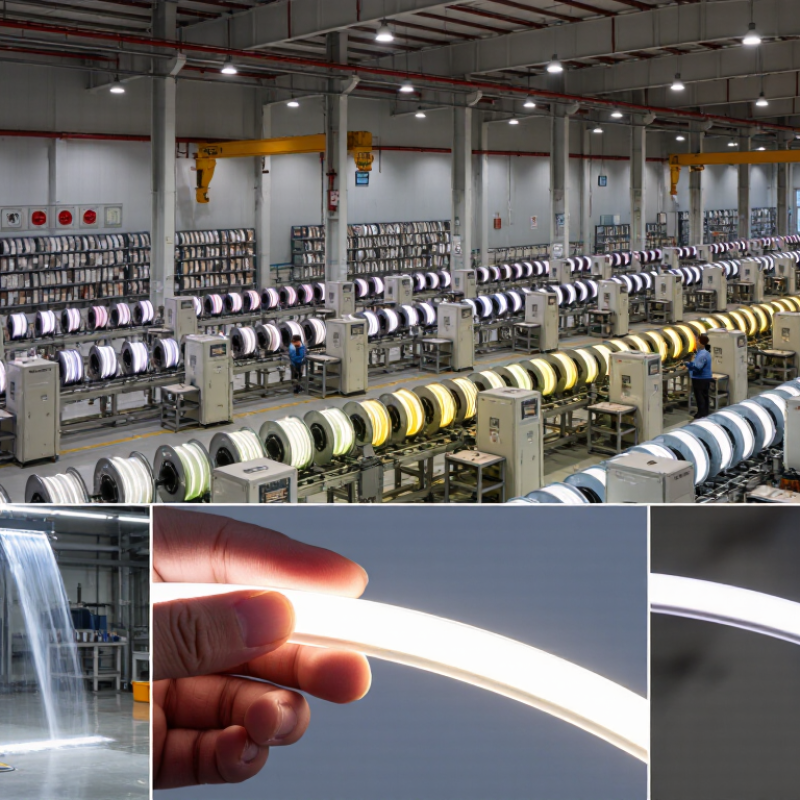
China’s LED light strip manufacturing landscape has developed from basic assembly into a coordinated supply network. Manufacturers commonly source flexible circuit boards, LEDs, silicone, copper wire, and control components through nearby industrial clusters. This proximity can shorten production cycles and reduce transportation damage.
Some facilities operate automated placement lines, integrating machines, optical testing, solder inspection, and aging tests. Others still depend heavily on manual assembly. The difference is visible in solder consistency, brightness uniformity, and reel-to-reel handling.
Quality needs evidence.
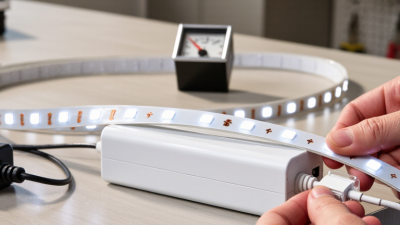
Experienced buyers should request samples from multiple production batches. One sample can hide variation. Useful checks include color temperature stability, lumen output, voltage drop, bending endurance, adhesive strength, and heat management.
For outdoor products, enclosure quality and water-resistance testing deserve close attention. Certification documents should match the actual model, not a similar product.
Communication also shapes results.
Clear drawings, cut-point requirements, wire lengths, packaging details, and installation conditions reduce avoidable errors. A reliable supplier explains tolerances instead of promising perfection.
This matters because LED performance can change with aluminum profiles, ambient temperature, power supply quality, and installation length.
The landscape is efficient, but not flawless. Smaller factories may offer flexibility, yet their documentation or testing systems may need improvement. Even established facilities can miss details during customized production. Buyers should keep written specifications, approve pre-production samples, and inspect critical batches before shipment. That discipline often reveals problems while correction is still practical.
Selecting a Chinese LED strip supplier requires more than comparing price lists. According to Grand View Research, the global LED lighting market reached about USD 78.3 billion in 2023, with strong growth expected through 2030. This expansion attracts capable factories, but also inconsistent traders. Request factory registration, production photos, process records, and recent test reports. Confirm LED binning, color temperature tolerance, copper thickness, adhesive performance, and voltage stability. A polished sample proves little.
Documentation matters. Ask for LM-80 and TM-21 data when long-term lumen maintenance is important. Check relevant IEC safety and electromagnetic compatibility requirements for the target market. IP ratings should match real conditions, not only printed labels. For outdoor use, inspect sealing around solder joints and connectors. The International Energy Agency reported that LED products represented roughly half of global lighting sales in 2022, increasing pressure for efficiency and reliability. A supplier should provide measured wattage, lumen output, and thermal test results, not vague efficiency claims.
Production control is equally important. Request a pre-shipment inspection, batch samples, and traceable lot numbers. Discuss replacement procedures before placing an order. Communication speed helps, but technical clarity matters more. I would distrust suppliers who avoid factory video calls or refuse independent inspection. Forecasts can be wrong. Your own field test may reveal heat buildup, weak adhesive, or color drift after several weeks. That uncomfortable evidence is often more valuable than a perfect quotation.
The chart shows a practical weighted evaluation model commonly used by international buyers when comparing Chinese LED strip suppliers. Product quality and consistency receive the highest weight, followed by compliance, customization capability, pricing, production capacity, and after-sales support. The percentages represent a normalized purchasing framework rather than data from any individual company or brand.
Reliable China LED light strip suppliers should provide more than attractive catalogs. They need stable production, clear specifications, and responsive technical support. Global buyers should check LED type, color temperature, CRI, voltage, wattage, and cutting intervals. A 24V strip may suit longer installations with fewer voltage-drop problems. For outdoor projects, confirm the IP rating and sealing method. Ask for samples from current production, not only showroom pieces. Small differences in brightness can become obvious across a long wall.
Experienced sourcing teams also review factory capacity, quality-control records, and applicable compliance documents. Useful evidence includes test reports, material declarations, and inspection photos. The adhesive backing deserves attention. It may fail on dusty aluminum profiles or warm surfaces. Packaging matters too, especially during sea transport. Request reel length, carton dimensions, spare quantities, and lead-time details in writing. A polished quotation can still hide weak after-sales support. That part is often overlooked.
Tips: Compare at least three suppliers using the same specification sheet. Test samples for heat, brightness, color consistency, and solder quality. Ask whether replacement units follow the same LED bin. Keep a written approval sample. It prevents arguments later. Also, do not trust every claimed lumen figure without independent testing. Specifications can be optimistic. A careful buyer leaves room for correction.
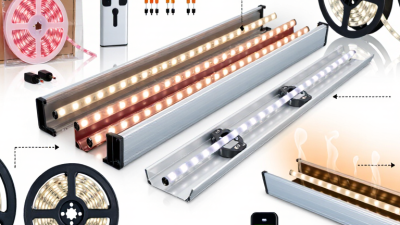
Global buyers can choose from several LED strip types for different project needs. Standard 12V and 24V strips suit retail displays, cabinets, and hospitality interiors. COB strips provide smoother, dot-free illumination, while RGB and RGBW models support dynamic color effects. For bathrooms, outdoor signs, and humid areas, verify the actual IP rating and sealing method. IP65 and IP67 are not interchangeable.
Certifications deserve careful checking. Ask for current test reports, not only printed certificate images. Common documents include CE, RoHS, UL, ETL, and FCC compliance, depending on the destination market. Confirm that the report matches the exact strip model, voltage, and production site. Customization may include color temperature, LED density, PCB width, cutting marks, connectors, cable length, aluminum profiles, and private packaging. Sample approval remains essential. Specifications can still be misunderstood.
Tips: Request a small sample batch before placing a large order. Test brightness, color consistency, heat control, adhesive strength, and dimming performance. Ask how suppliers manage batch differences. A strong supplier should explain tolerances clearly and provide traceable quality records. One practical concern is often missed: a strip may pass laboratory testing but perform poorly inside a poorly ventilated profile. Suppliers should discuss installation conditions, not only product figures.
When comparing China’s top 10 LED light strip suppliers, price should never stand alone. Ask for a complete quotation. A low unit price may exclude aluminum profiles, connectors, packaging, or export documents. Request samples from the same production batch. In my purchasing experience, a ten-meter test reveals problems that photos cannot show. Check LED density, color consistency, adhesive strength, and heat buildup after eight hours. Small details matter.
Quality claims need evidence. Reliable suppliers can provide test reports from recognized laboratories, clear IP ratings, and product specifications. Verify voltage, wattage, color temperature, and expected lifespan against the sample. Do not accept a copied PDF as proof. It sounds strict. A factory video call can show production lines, aging tests, and packaging controls. Ask for batch traceability and inspect several rolls, not only one carefully selected sample.
International support means more than quick replies. Confirm response times, technical drawings, plug standards, shipping terms, customs documents, warranty conditions, and replacement procedures. Ask how the supplier handles damaged cartons or inconsistent colors after delivery. Lead times may change during holidays or power shortages, so request written updates. Language gaps can still create costly mistakes. I would score each supplier with a weighted comparison sheet, but this method is not perfect. A supplier with excellent pricing may offer weaker after-sales support, which becomes expensive during installation.