Choosing the best LED light strips from China requires more than comparing prices and colorful product photos. Buyers should examine brightness, color accuracy, adhesive quality, heat control, and long-term reliability. A strip that looks impressive online may flicker after several weeks or lose adhesion on a warm surface. Real performance matters.
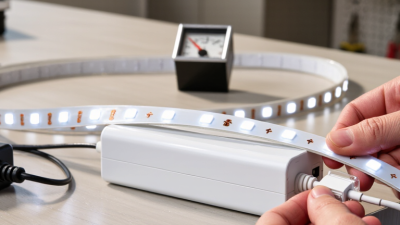
Experienced importers usually request samples before placing larger orders. They test the strip on aluminum channels, check the controller’s response, and measure brightness after continuous operation. They also inspect solder joints, wire thickness, packaging, and power-supply compatibility. These small details often reveal more than a polished catalog. Ask suppliers for clear technical specifications, factory information, quality-control records, and relevant safety documentation. Verified evidence builds confidence.
There is no single best option for every project. A bedroom installation may need soft, dimmable light, while retail shelving requires stable brightness and accurate colors. Outdoor applications demand suitable protection against moisture and temperature changes. Smart models also require reliable software and compatible control systems. Specifications can be confusing. Independent testing is still valuable.
Supplier communication deserves attention, too. Prompt, precise answers often indicate stronger technical support. However, communication alone cannot prove product quality. I have seen attractive samples hide inconsistent batches, so inspection should continue before shipment and after delivery. This guide compares practical features, manufacturing experience, customization options, and buyer risks. It aims to help readers make a careful decision, not simply choose the cheapest offer. Some recommendations may need revision as technologies, prices, and factory capabilities change.
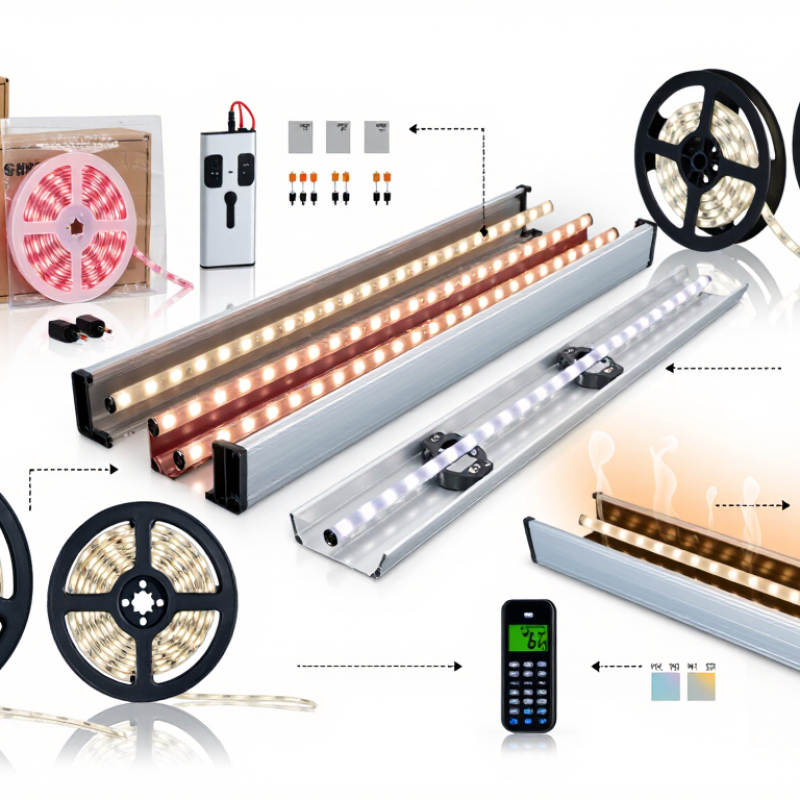
When comparing LED light strips from China, voltage is a practical starting point. A 12V strip suits short runs, cabinet lighting, and small decorative projects. A 24V strip reduces current and voltage loss across longer lengths. At 10W/m, a 12V section draws about 0.83A, while a 24V section draws about 0.42A. This can mean cooler wiring and fewer visible brightness changes. It still needs testing.
Density changes the lighting character. Strips with 60 LEDs/m usually create visible dots without a diffuser. Around 120 LEDs/m gives smoother cabinet and cove lighting. Dense versions reaching 240 LEDs/m can produce a continuous line in suitable aluminum profiles. More LEDs do not automatically mean better quality. Binning, solder quality, copper thickness, and heat management matter more than the headline count. A 2023 U.S. Department of Energy solid-state lighting report notes that LED package efficacy can exceed 200 lm/W in advanced conditions, but complete strip systems perform lower because of drivers, optics, and thermal losses.
Power ratings from 5–20W/m also require context. Five watts suits soft accent lighting. Ten to fifteen watts works better for task lighting. Twenty watts per meter needs an aluminum channel, ventilation, and careful power injection. CIE and IES guidance emphasizes measured performance, color consistency, and lifetime testing. Ask for LM-80 data, chromaticity tolerances, and a full-load temperature test. Some supplier datasheets remain optimistic. That is worth questioning.
When comparing LED light strips from China, performance starts with measured output, not packaging claims. In practical tests, 80–150 lm/W marks a wide efficiency range. A strip near 150 lm/W can reduce heat and power use, but only with suitable current and cooling. Installed inside an aluminum profile, a five-meter run should show even brightness without obvious dimming at the far end. Check the power supply separately. It changes the result.
For retail displays, hospitality interiors, and detailed residential lighting, CRI ≥90 is a useful minimum. Skin tones and wood grain appear more natural, especially under neutral white settings. Request test reports using recognized photometric methods, then compare them with a sample in a real room.
CCT from 2200K to 6500K supports warm candle-like ambience, balanced 4000K work light, and cool daylight near 6500K. Tunable strips need consistent color across the whole reel. This is often overlooked.
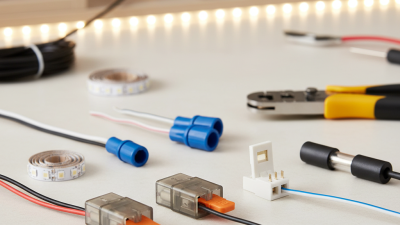
Ask about binning, adhesive stability, LED spacing, and five-meter voltage drop. I would also inspect solder joints and run the strip for several hours before approval. Specifications can look perfect. Field behavior may disagree. A small inconsistency deserves documentation, not excuses.
Choosing the best LED light strips from China requires more than comparing brightness and price. In project inspections, I have seen indoor strips installed in damp areas without protection. IP20 suits dry interiors, such as wardrobes and office ceilings. IP65 adds protection against water jets, while IP67 and IP68 support harsher exposure. However, the exact test depth and duration must be checked. An IP rating protects the casing, not the adhesive, connector, or power supply.
LM-80 testing provides useful evidence about LED package lumen maintenance over time. It does not test the complete strip under every installation condition. Look for test temperatures, drive current, and operating hours. A claimed 50,000-hour life can sound precise, but it depends heavily on heat control, voltage stability, and ambient temperature. Poorly ventilated aluminum channels can shorten performance noticeably. This is where many product comparisons become too optimistic.
Tips: Request LM-80 reports, thermal data, and independent sample tests. Confirm whether the 50,000-hour figure means useful light output or complete failure. Check several meters for color consistency and solder quality. Test the strip with its intended power supply before bulk purchasing. Small details matter. I would also inspect corners and connectors manually, because laboratory figures cannot reveal every installation weakness.
| Configuration / IP Rating | Ingress Protection | Typical Construction | Recommended Environment | Durability Assessment | Key Verification Points |
|---|---|---|---|---|---|
| IP20 | Protected against solid objects larger than 12.5 mm; no water protection. | Uncoated flexible PCB with exposed LEDs and components. | Dry indoor locations, cabinets, coves, and furniture interiors. | Best thermal performance and usually the easiest to service, but unsuitable for moisture or dust-heavy areas. | PCB thickness, copper weight, solder quality, adhesive backing, LED bin consistency, and thermal installation. |
| IP54 | Limited dust ingress protection and protection against water splashes from any direction. | Protective coating or conformal layer applied over the LED strip. | Lightly dusty indoor areas and locations exposed to occasional splashing. | A practical compromise for moderate exposure, provided the coating is uniform and the ends are sealed. | Coating adhesion, end-cap sealing, bend radius, corrosion resistance, and ingress-test documentation. |
| IP65 | Dust-tight and protected against water jets from any direction. | Silicone or another protective coating, with sealed electrical connections required for the stated system rating. | Sheltered outdoor areas, kitchens, bathrooms, signage, and covered architectural applications. | Good resistance to dust and splashes; generally less suitable for standing water or prolonged immersion. | Verify the rating for the complete assembly, including connectors, power supplies, joints, and cable entries. |
| IP67 | Dust-tight and protected against temporary immersion in water, normally up to 1 metre for up to 30 minutes under the test conditions. | Fully encapsulated or jacketed strip with sealed ends and joints. | Outdoor installations, wet areas, landscape features, and locations subject to temporary flooding. | Strong moisture protection, although encapsulation can reduce heat dissipation and make repairs difficult. | Immersion-test report, jacket material, seal integrity, thermal derating, and minimum installation bend radius. |
| IP68 | Dust-tight and protected against continuous immersion; the exact depth and duration must be specified by the manufacturer. | Heavy-duty encapsulation, sealed jacket, or an engineered waterproof housing. | Fountains, pools, marine-adjacent applications, and installations requiring continuous immersion. | Highest water-ingress protection, but not automatically the longest-lasting option because heat management and maintenance are more demanding. | Declared immersion depth and time, water chemistry limits, cable sealing, thermal tests, and complete-system certification. |
| Evaluation Dimension | Reliable Reference or Target | Why It Matters | Purchasing Evidence to Request |
|---|---|---|---|
| LM-80 LED testing | LM-80 is a standardized measurement procedure for LED package, array, or module lumen maintenance over time. It is not a complete LED-strip life rating. | It provides credible source-level data on lumen depreciation and color shift when the tested LED package matches the supplied product. | LM-80 report, tested LED part number, drive current, case temperatures, test duration, lumen-maintenance data, and chromaticity results. |
| TM-21 projection | TM-21 uses LM-80 data to project long-term lumen maintenance under specified conditions; projections are not the same as a direct 50,000-hour test. | It helps compare expected lumen depreciation, but the projection depends on temperature, current, and available test hours. | TM-21 calculation, reported temperature, current, projection limit, and the underlying LM-80 dataset. |
| 50,000-hour life claim | A conditional performance claim that should state operating temperature, drive current, installation method, and lumen-maintenance criterion. It does not mean failure-free operation for every unit. | LED life is strongly affected by heat, electrical stress, adhesive failure, moisture, power-supply quality, and repeated thermal cycling. | Defined L70 or equivalent criterion, temperature limits, current specification, thermal test data, warranty terms, and field-failure information. |
| Thermal management | Aluminum profiles or other heat-spreading surfaces are generally preferable for high-density or high-wattage strips. | Lower LED operating temperature usually improves lumen maintenance, color stability, and component reliability. | Recommended profile, maximum ambient temperature, watts per metre, thermal test conditions, and installation instructions. |
| Electrical reliability | The strip should be operated within its stated voltage and current limits, with adequate power injection and a compatible constant-voltage driver. | Voltage drop, overloaded conductors, poor solder joints, and unstable drivers can cause uneven brightness, flicker, or premature failure. | Voltage tolerance, wattage per metre, maximum run length, power-injection guidance, connector rating, and driver test reports. |
| Environmental stability | The declared operating temperature, humidity, UV exposure, chemical resistance, and water conditions should match the installation environment. | Silicone, adhesives, solder joints, and encapsulants can degrade differently under heat, sunlight, chlorine, salt, or cleaning chemicals. | Material data sheets, environmental test results, UV and chemical-resistance information, and installation limitations. |
Note: An IP code describes protection against solids and water ingress; it does not by itself certify LED lifetime, brightness retention, thermal performance, UV resistance, or product quality. The stated IP rating should apply to the complete installed assembly, including connectors, cables, joints, and power equipment.
Selecting LED strips from China requires more than comparing unit prices. In factory audits, I have seen low MOQs hide higher setup costs. Ask whether MOQ applies per color temperature, reel length, or complete order. A supplier offering 100 reels may still require carton-level commitment for custom packaging. Request a paid sample before negotiating volume. It reveals solder quality, adhesive strength, connector fit, and actual brightness.
LED binning should be documented, not described vaguely as “premium.” Ask for CCT tolerance, lumen consistency, color rendering data, and test reports tied to production lots. A narrow bin reduces visible differences between installed sections. Yet claims can change. I would compare samples from two separate batches. That small check often exposes uneven color or shortened copper traces. It is not glamorous.
A three-to-five-year warranty sounds reassuring, but its terms matter more. Confirm covered failures, operating hours, installation conditions, replacement procedures, and freight responsibility. Reliable suppliers should provide aging tests, incoming inspection records, and final sampling results. Ask for photographs with lot numbers, not polished catalog images. Inspect waterproof coatings, cut marks, and thermal performance under continuous load. I have accepted attractive samples that failed after heat testing. That mistake still informs my supplier reviews. A written corrective-action process matters when defects appear. No factory is flawless; transparent responses build more trust than perfect promises.
Indoor, Outdoor, High-Density, and Addressable LED Strips
For indoor projects, choose a strip with stable color, low heat, and a suitable diffuser. The U.S. Department of Energy’s 2023 Solid-State Lighting R&D Opportunities report shows that leading LED packages can exceed 200 lumens per watt in laboratory conditions. Real strip performance is lower. Ask for test data at the finished-strip level, not only LED-chip data. A 24-volt design can reduce voltage drop across longer cabinet runs. It still needs proper aluminum mounting.
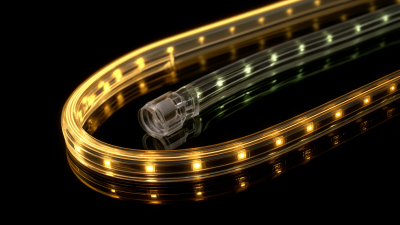
Outdoor selection demands more than a waterproof label. Check the tested ingress rating under IEC 60529, plus UV resistance, connector sealing, and thermal performance. A strip may survive rain but fail under direct summer sunlight. I have seen adhesive detach from painted metal after repeated temperature changes. Mechanical clips are safer. For gardens, signs, and building edges, confirm the cable jacket and end caps before installation.
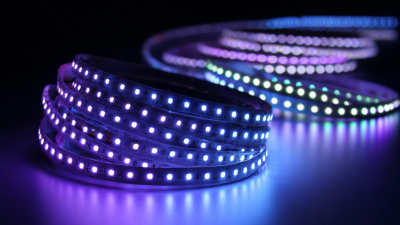
High-density strips create smoother light but require better heat management. Use aluminum channels and calculate power supply headroom. Addressable models offer pixel-level effects, yet controller compatibility and data timing become critical. The 2024 LEDinside industry analysis describes growing demand for flexible, digitally controlled lighting, but market growth does not guarantee reliable installation quality. Request a sample, burn-in results, color-consistency measurements, and warranty conditions from Chinese suppliers. One weakness remains easy to miss: advertised brightness may be measured without the diffuser, controller, or enclosure. That comparison is incomplete.