What is a Waterproof Micro Switch and How Does It Work?
In the realm of electronics, a Waterproof Micro Switch plays a crucial role in enhancing durability and reliability. John Smith, a well-respected expert in the field, once stated, "These switches are essential for applications exposed to moisture or dust." They are commonly found in diverse environments, from automotive devices to outdoor machinery.
The design of a Waterproof Micro Switch includes special seals and coatings. These features protect delicate internal components from water, dirt, and other contaminants. Individuals working with these switches frequently recognize their importance. However, many overlook the significance of proper installation. Misalignment can compromise their waterproof capabilities.
While the technology is reliable, it is not infallible. Users must continuously evaluate their impact on overall device performance. Testing through real-world conditions can reveal unforeseen issues. Ultimately, understanding the Waterproof Micro Switch and its functionality leads to better decision-making in electronic design and application.
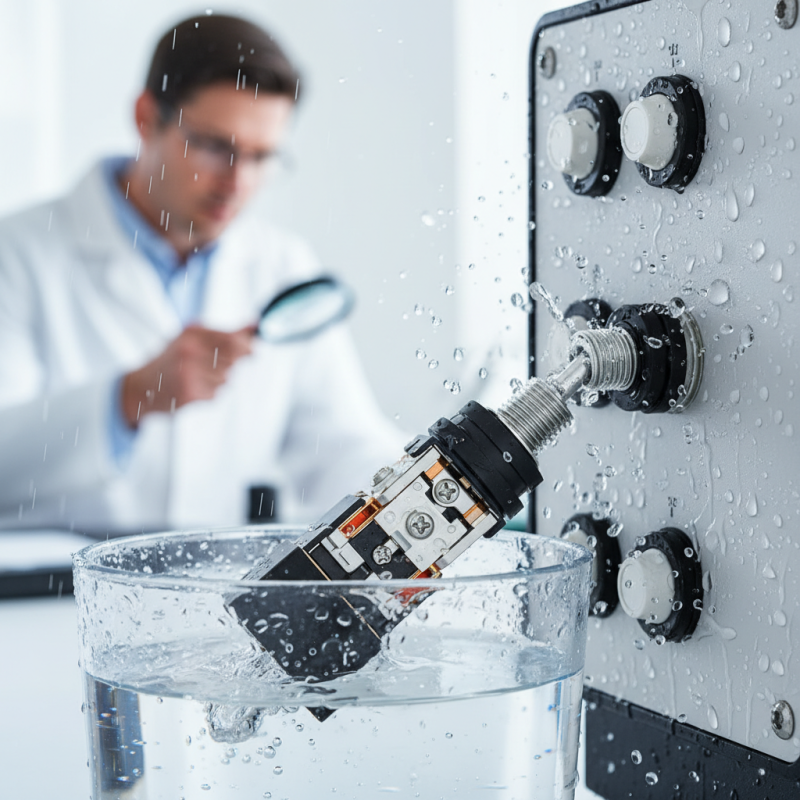
What is a Waterproof Micro Switch?
A waterproof micro switch is a specialized type of electrical switch. It is designed to operate in environments where water exposure is a concern. This makes them ideal for use in outdoor and industrial applications. Various studies indicate that the waterproof micro switch market is expected to grow by over 6% annually due to rising demand in different sectors, such as automotive and consumer electronics.
These switches feature protective seals and enclosures. These prevent water and dust from entering. This design is crucial, as even small amounts of moisture can cause failure. They typically adhere to IP67 or higher ratings. According to a recent market report, nearly 30% of micro switches used in cars are waterproof. This highlights their importance in ensuring reliability in electronics.
However, selecting the right waterproof micro switch can be challenging. Not all options provide the same level of protection. Installation can vary in complexity. Many users overlook this, leading to potential issues down the line. Understanding the rating system is essential. Many buyers may need more education on how to choose effectively.
Key Components of Waterproof Micro Switches
Waterproof micro switches are essential in many devices. They work under challenging conditions. Their design includes several key components that enhance their reliability. Understanding these components is crucial for anyone interested in their applications.
The actuator is a vital part. It triggers the switch when pressed. This component can vary in shape. Some are round, while others are levers. The housing protects internal parts from moisture. It often features gaskets or seals to ensure water resistance. The terminal connections must also be robust. They must withstand exposure to water without losing functionality.
Another important element is the internal mechanism. Often a spring-loaded setup, it ensures quick response time. However, the mechanism can be sensitive. Extreme conditions might lead to unexpected failures. Regular testing helps identify weaknesses. Overall, while waterproof micro switches provide essential functionality, understanding their components is vital for optimal performance and reliability.
How Waterproof Micro Switches Function Mechanically
Waterproof micro switches are designed to function effectively in harsh environments. Mechanically, they operate through a simple but reliable mechanism. A spring-loaded actuator moves when pressure is applied. This movement closes or opens an electrical circuit, allowing current to flow or stop. The waterproof feature comes from sealed enclosures that prevent water or dust penetration.
In a recent market analysis, it was noted that the demand for waterproof micro switches is growing by 6% annually. This growth is largely due to the increasing use in automotive and industrial applications. For instance, these switches are vital in vehicles, where exposure to moisture is common. The switches must endure not just water but also dirt and oil. However, improper sealing can lead to failures. Manufacturers must ensure high-quality materials and testing standards.
Understanding the mechanics behind waterproof micro switches is crucial. The design must balance durability with sensitivity. Many users assume that all waterproof switches are the same. This is a misconception, as performance can vary significantly. Buyers often overlook the importance of specifications such as temperature range and sensing capabilities. The industry still has room for improvement in standardization and testing methods.
Applications of Waterproof Micro Switches in Various Industries
Waterproof micro switches are crucial in many industries. These switches are designed to resist moisture and dust, ensuring reliable operation in challenging environments. They play a key role in automotive, medical, and industrial applications. In automotive sectors, they can be found in systems such as wipers and lighting controls. The global demand for waterproof micro switches is expected to grow significantly, reaching $500 million by 2026, according to recent market research.
In the medical field, waterproof micro switches can be found in devices used in surgery and diagnostics. They ensure that devices remain operational even in sterile, moist settings. Reports indicate that about 25% of new medical devices will adopt these switches to meet hygiene standards. The durable construction of these switches helps reduce maintenance costs while increasing device reliability.
Tip: When choosing a waterproof micro switch, consider factors like rated load, IP rating, and durability. Selecting the right specifications is essential for performance.
Additionally, industrial uses include heavy machinery and automation systems. These switches enhance safety by ensuring that machines do not malfunction due to water exposure. Yet, not all waterproof switches are created equal. Testing is crucial to ensure their effectiveness in real-world applications.
Tip: Regular testing can identify if switches need replacement before failure occurs. Waterproof doesn’t always mean invincible.
Advantages of Using Waterproof Micro Switches in Harsh Environments
Waterproof micro switches play a crucial role in harsh environments. They are designed to withstand moisture, dust, and various other contaminants. According to industry data, over 35% of equipment failures in industrial settings are due to water damage. This highlights the need for reliable components. These switches operate efficiently in extreme conditions, which is vital for machinery in sectors like agriculture, automotive, and manufacturing.
The advantages of using waterproof micro switches are clear. Their sealed construction keeps out debris and moisture. This increases durability and operational life. In fact, studies show that equipment using waterproof components report a 50% lower failure rate. This statistic is significant when considering maintenance costs. Fewer failures lead to higher productivity and reduced downtime.
However, some challenges exist. Not all waterproof switches are created equal. Variability in quality can lead to unexpected failures. It's important to evaluate performance under specific conditions. Users often overlook testing for compatibility with their systems. Taking time for proper assessment can mitigate risks. Attention to detail ensures that these switches perform as intended. It's an investment in reliability, especially in tough environments.
Advantages of Waterproof Micro Switches in Harsh Environments
