Top 2025 Trends in Light Wiring Harness Technology and Applications
The field of light wiring harness technology is rapidly evolving, reflecting the increasing demand for efficiency and performance in various industries. As we look towards 2025, industry experts predict transformative trends that will shape how these essential components are designed and utilized. According to Dr. Emily Carter, a renowned expert in electrical engineering, "The future of light wiring harness technology lies in its adaptability and integration with smart systems, paving the way for innovations that streamline connectivity."
In recent years, advancements in materials and manufacturing processes have led to lighter, more flexible wiring harnesses, making them a crucial element in the development of electric vehicles, aerospace, and consumer electronics. These innovations not only enhance the functionality of devices but also contribute to a reduction in overall weight, thus improving energy efficiency. As we delve into the top trends expected to dominate the landscape by 2025, it is essential to understand the impact these changes will have on both the industry and end-users, reaffirming the pivotal role of light wiring harnesses in modern technology.
The convergence of IoT, automation, and sustainable design principles will significantly influence how light wiring harnesses are conceptualized and implemented. With a focus on eco-friendly materials and smart connectivity, the future holds exciting prospects for an industry poised to cater to the demands of a rapidly advancing technological world.

Emerging Technologies in Light Wiring Harness Design and Manufacturing
Emerging technologies in light wiring harness design and manufacturing are driving significant advancements in various industries, particularly in automotive and aerospace sectors. One key trend is the integration of advanced materials, such as lightweight composites and innovative polymers, which enhance durability while reducing overall weight. This shift not only improves fuel efficiency but also enhances the performance of electric and hybrid vehicles, where every gram of weight saved translates to improved range and handling.
Another notable development is the incorporation of smart technologies into wiring harness systems. Utilizing sensors and IoT connectivity allows for real-time monitoring of electrical systems, enhancing diagnostics and predictive maintenance capabilities. This approach leads to increased safety and reliability, as any potential issues can be detected early, preventing failures in critical systems. Additionally, automation in manufacturing processes, driven by robotics and AI, is streamlining production, reducing lead times, and minimizing human error, contributing to an overall increase in efficiency in the creation of sophisticated wiring solutions.
Top 2025 Trends in Light Wiring Harness Technology and Applications
| Trend |
Description |
Impact |
Application Area |
Future Prospects |
| Lightweight Materials |
Adoption of advanced lightweight materials for harness construction. |
Improved fuel efficiency and reduced emissions. |
Automotive, Aerospace |
Continued development of composite materials. |
| Smart Wiring Harnesses |
Integration of sensors and IoT technology within the harness. |
Enhanced monitoring and diagnostics capabilities. |
Automotive, Industrial Equipment |
Growth in connected vehicle features. |
| Automated Manufacturing |
Increased use of robotics and automation in production. |
Higher precision and reduced production costs. |
All industries |
Wider adoption across manufacturing sectors. |
| Sustainability Practices |
Focus on eco-friendly materials and recycling processes. |
Improved environmental impact and corporate responsibility. |
Automotive, Electronics |
Stricter regulations and consumer demand driving changes. |
| Modular Designs |
Development of modular wiring harness systems for flexibility. |
Enhanced customization and easier reconfiguration. |
Consumer Electronics, Automotive |
Potential for rapid prototyping and product iteration. |
Key Applications of Light Wiring Harnesses in Various Industries
The rise of light wiring harness technology has significantly influenced various industries, with applications spanning automotive, aerospace, and consumer electronics. As vehicles become increasingly outfitted with advanced electronic systems to enhance safety and performance, light wiring harnesses are critical in maximizing efficiency while minimizing weight. According to a recent industry report, lightweight harness systems can reduce vehicle weight by up to 15%, leading to improvements in fuel economy and overall performance.
In the aerospace sector, the demand for weight reduction is paramount for increasing fuel efficiency and payload capacity. Light wiring harnesses, composed of advanced materials such as polyethylene and aluminum, have been shown to lower aircraft weight significantly, enhancing fuel savings over the aircraft's lifespan. A study indicated that adopting these lightweight systems could result in 5% to 7% savings in fuel costs over time, which is crucial given rising fuel prices and environmental regulations.
The consumer electronics industry is also leveraging light wiring harness technology, particularly in the development of portable devices and smart home applications. With the trend toward miniaturization, manufacturers are increasingly integrating lighter wiring solutions that support complex functionalities without adding bulk. Research indicates that the use of light wiring harnesses in electronics leads to a 20% reduction in component size, which not only improves aesthetics but also enables more efficient assembly processes. This trend is projected to grow, with a forecasted increase in the market share of lightweight wiring harnesses in consumer electronics by 25% over the next five years.
Sustainability Trends Impacting Light Wiring Harness Development
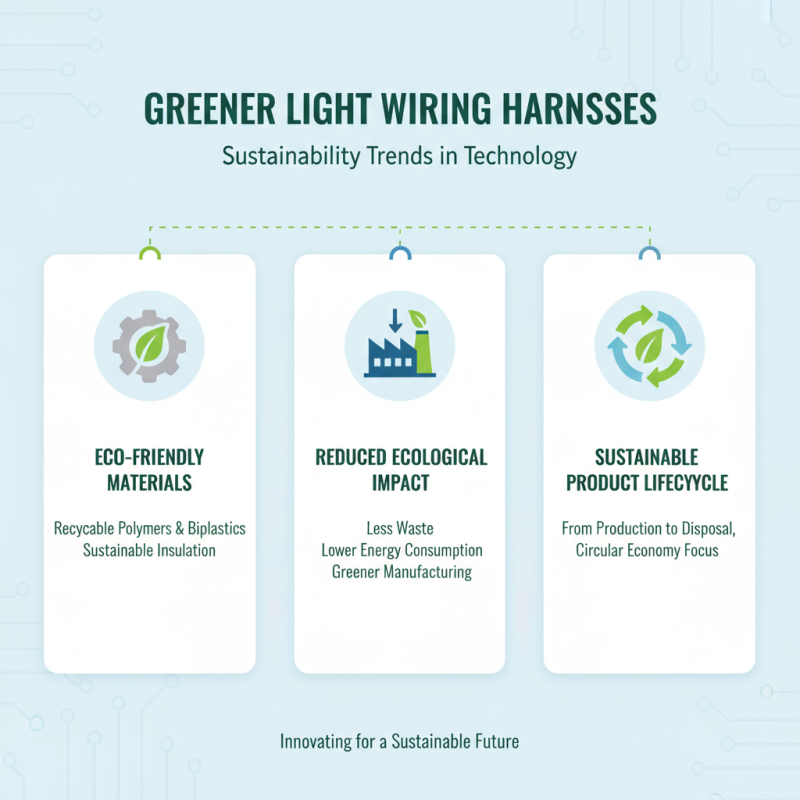
The landscape of light wiring harness technology is increasingly shaped by sustainability trends, reflecting a collective shift towards greener practices across various industries. As environmental concerns rise, manufacturers are focusing on creating wiring harnesses that not only meet performance standards but also minimize ecological impact. This involves the utilization of eco-friendly materials and manufacturing processes that reduce waste and energy consumption. For instance, the adoption of recyclable polymers and bioplastics in wire insulation is gaining traction, allowing for a more sustainable lifecycle of the products.
Additionally, the emphasis on lightweight designs is not just about improving efficiency; it's also about contributing to overall sustainability goals. Lighter wiring harnesses lead to reductions in the weight of vehicles and machinery, thereby enhancing fuel efficiency and lowering emissions. Furthermore, the integration of smart technologies within wiring harness systems enables the monitoring of energy consumption and performance optimization in real-time, allowing for proactive maintenance and reduced resource usage. As the push for sustainability continues, industry stakeholders are likely to engage in collaborative efforts to innovate and implement solutions that align with these environmental objectives, ultimately paving the way for more sustainable light wiring harness technologies by 2025.
Challenges and Solutions in Light Wiring Harness Integration
The integration of light wiring harnesses into modern applications presents several challenges that need to be addressed to maximize their potential advantages. One major challenge is the complexity of the designs required to accommodate increasingly compact and lightweight components in vehicles and electronic devices. Engineers must navigate tight spaces while maintaining the performance and reliability of electrical connections, which can lead to increased costs and extended development cycles. Additionally, the evolving standards and regulatory requirements related to safety and environmental impact complicate the integration process, necessitating ongoing adjustments and innovations.
To tackle these challenges, manufacturers are exploring advanced design tools and materials that enhance the efficiency of light wiring harness technology. Employing 3D modeling and simulation software allows for better visualization and planning of harness layouts, resulting in optimized space utilization. Furthermore, the use of innovative materials, such as high-conductivity alloys and lightweight composites, not only reduces the weight of wiring harnesses but also improves their durability and performance. Collaborative efforts between engineers, designers, and regulatory bodies are essential to develop solutions that meet both functionality and compliance needs, ultimately driving the effective implementation of light wiring harnesses across various sectors.
Top 2025 Trends in Light Wiring Harness Technology and Applications
Future Innovations Shaping the Light Wiring Harness Market in 2025
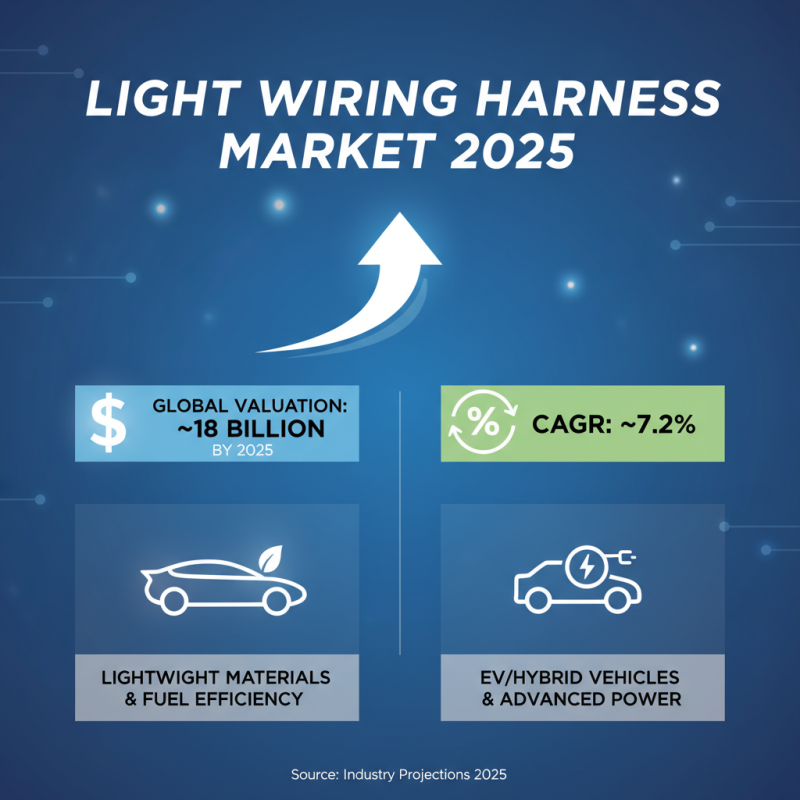
As we approach 2025, the light wiring harness market is poised for significant transformations driven by technological advancements and evolving applications across various industries. Current projections indicate that the global light wiring harness market will reach a valuation of approximately $18 billion by 2025, growing at a compound annual growth rate (CAGR) of around 7.2%. This growth is largely fueled by the increasing demand for lightweight materials that enhance fuel efficiency in automotive applications, as well as their integration into electric and hybrid vehicles, which require advanced wiring solutions to handle complex power distribution.
Innovations in lightweight materials such as aluminum and high-strength plastics are also altering the landscape of wiring harness technology. Reports suggest that the adoption of these materials will not only reduce the overall weight of wiring systems but will also enhance the resilience and performance of electrical connectors and terminals. Moreover, the introduction of smart wiring harnesses equipped with embedded sensors and intelligent diagnostics is expected to revolutionize vehicle design by improving safety and reducing maintenance costs. By leveraging data analytics and IoT capabilities, manufacturers can anticipate failures and optimize their production processes, ensuring a more reliable supply chain for these crucial components.