What is Red Light Therapy and How Does It Work?
Red Light Therapy (RLT) has gained significant attention in recent years. This non-invasive treatment utilizes specific wavelengths of light to promote healing and rejuvenation. Dr. Michael Hamblin, a prominent researcher in the field, states, "Red Light Therapy can enhance cellular function and improve recovery." His work underlines the potential benefits of RLT in various health applications.
Many people are interested in RLT for skincare, pain relief, and muscle recovery. The therapy penetrates the skin, stimulating cellular processes. Users often report feeling energized after a session. However, the effectiveness of RLT varies among individuals. Results can depend on factors like skin type, treatment duration, and consistency.
Though promising, RLT is not a miracle cure. Some may experience minimal results. Others might find it transformative. Understanding the nuances of Red Light Therapy is essential for setting realistic expectations. With ongoing research, the full extent of RLT's capabilities will continue to unfold.
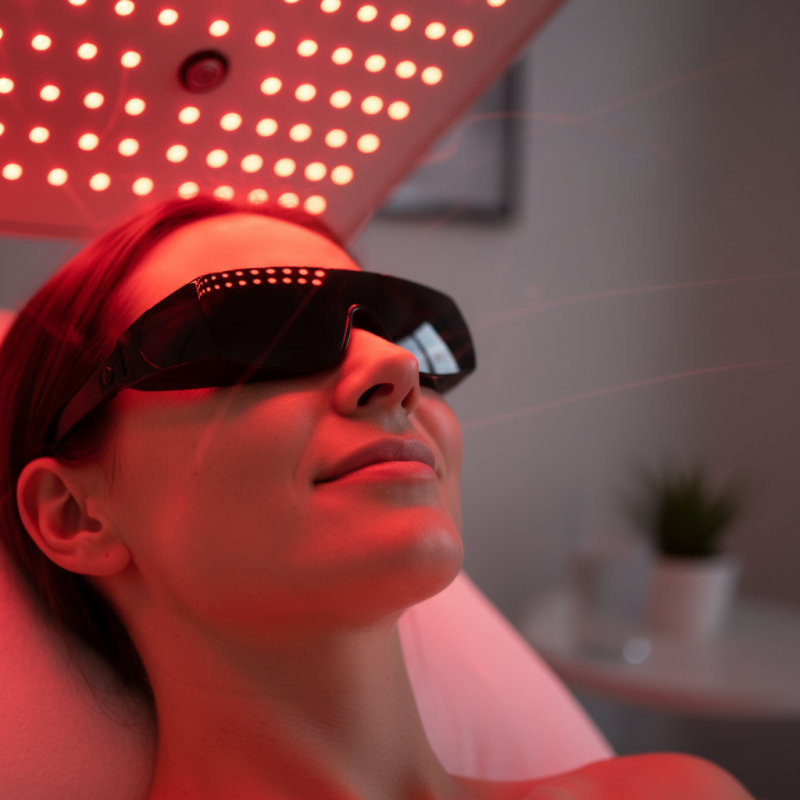
Understanding Red Light Therapy: Definition and Overview
Red light therapy is an intriguing method. It uses specific wavelengths of light to stimulate healing. This non-invasive treatment can penetrate the skin. Many people seek it for its potential benefits. It is thought to promote collagen production and reduce inflammation. But the science isn’t settled yet.
Understanding how it works requires a deeper look. The red light penetrates tissues, energizing cells. This process can encourage healing and improve circulation. However, results can vary widely among individuals. Some may see noticeable changes; others may not feel a thing. It’s essential to approach red light therapy with curiosity and open-mindedness.
The equipment used ranges from handheld devices to larger panels. Sessions can last from a few minutes to half an hour. Users often report a sense of warmth. There’s something appealing about simplicity in the process. Yet, not everyone experiences the same level of effectiveness. This variability raises questions. How might personal health conditions impact outcomes?
The Science Behind Red Light Therapy: How It Works
Red light therapy is an innovative treatment using low-level wavelengths of red light. This technique penetrates the skin, reaching the tissues beneath. It can stimulate cellular function. The light energy can enhance mitochondrial activity. Mitochondria are the powerhouses of our cells. They convert light into energy, promoting healing and reducing inflammation.
The science behind this therapy is fascinating yet complex. When specific wavelengths, usually between 600 and 1000 nanometers, strike the skin, they can trigger biochemical reactions. These reactions may lead to increased collagen production. Collagen plays a crucial role in skin elasticity. Some people report improved skin tone and reduced signs of aging. These claims warrant more scrutiny, and results can vary among individuals.
While many find red light therapy beneficial, not everyone experiences the same outcomes. Some studies show mixed results. More research is essential to establish its effectiveness. Individual skin types react differently. Results may depend on numerous factors, including treatment duration and frequency. Adopting a critical approach is vital for anyone considering this therapy.
Effects of Red Light Therapy on Skin Health
This chart illustrates the effectiveness ratings of red light therapy across various aspects of skin health. According to recent studies, red light therapy shows high efficacy in reducing wrinkles and promoting collagen production, providing significant benefits for skin rejuvenation.
Benefits of Red Light Therapy: Uses in Health and Wellness
Red light therapy (RLT) has gained attention in recent years for its potential health benefits. Research indicates that RLT may help promote wound healing and reduce inflammation. A study published in the Journal of Photomedicine showed a 50% increase in healing speed when patients used RLT compared to those who did not.
Many people use RLT for skin rejuvenation. It can improve skin texture and reduce wrinkles. A report by the National Institutes of Health highlighted its ability to enhance collagen production. Increased collagen may result in firmer skin and reduced signs of aging. Yet, some users experience minimal results, raising questions about its effectiveness.
In addition to skin health, RLT is being explored for muscle recovery. Athletes often seek quicker recovery times after training. A 2021 survey found that nearly 60% of athletes reported reduced muscle soreness after RLT sessions. While many swear by its benefits, it's crucial to understand that individual outcomes can vary. RLT might not work for everyone; thus, careful consideration before commitment is advisable.
What is Red Light Therapy and How Does It Work? - Benefits of Red Light Therapy: Uses in Health and Wellness
| Aspect | Description |
| Definition | A therapeutic technique using red light wavelengths to promote healing and wellness. |
| Mechanism | Stimulates cellular activity, enhancing mitochondrial function and ATP production. |
| Common Uses | Reduce inflammation, heal wounds, improve skin conditions, and alleviate pain. |
| Health Benefits | Improved skin tone and texture, reduced signs of aging, faster recovery from injuries. |
| Potential Side Effects | Generally considered safe; some may experience temporary redness or irritation. |
| Treatment Duration | Sessions typically last between 10 to 30 minutes, with multiple sessions recommended. |
Methods of Application: How to Use Red Light Therapy Devices
Red light therapy has gained attention for its potential benefits. It works by using specific wavelengths of light. These wavelengths penetrate the skin, promoting healing and reducing inflammation. To experience these effects, various methods of application can be employed.
One common approach is using handheld devices. These are portable and can be directed at specific areas. Users often find them convenient for targeting pain or skin issues. Another method involves larger panels or lamps. These can cover more surface area and are suitable for full-body treatments.
When using these devices, consistency is key. Sessions usually last from 10 to 20 minutes. Finding a comfortable distance from the light source is crucial for effectiveness. However, it’s essential to avoid overexposure. Some may experience temporary redness. Adjusting treatment times can help mitigate this. Tracking progress over time is beneficial for understanding individual responses. Remember, results vary among users, so patience is important.
Safety and Considerations: What to Know Before Starting Treatment
Red light therapy (RLT) is gaining popularity as a natural treatment. It's essential to approach this therapy with safety in mind. Researchers indicate that RLT can enhance cellular repair and reduce inflammation. However, not everyone should jump into treatment without considering risks. Skin sensitivity can vary widely. Some individuals report irritation after using RLT devices.
Tips: Always test a small area first. Monitor how your skin reacts before full use.
Before starting, consulting with a healthcare professional is wise. Current studies show that while RLT is generally safe, individuals with certain conditions may experience adverse effects. Conditions such as photosensitivity or specific health concerns warrant caution. The FDA recommends that users follow device guidelines strictly and avoid overuse.
Tips: Set a routine. Stick to recommended treatment times for best results.
Be mindful of the device you select. Quality can vary significantly among products. Reading reviews and understanding the technology used can help inform your decision. Stay educated on potential side effects, and remember, results can differ from person to person. Maintaining realistic expectations helps navigate this journey.
