What Is a Pneumatic Chisel and How Does It Work?
A Pneumatic Chisel is a compact power tool that converts compressed air into repeated striking motion. It is commonly used for cutting, shaping, removing, and loosening tough materials. In a workshop, its sharp tip can break a rusted bolt, trim sheet metal, or separate stubborn masonry joints. The tool may look simple, but its performance depends on air pressure, bit design, and operator control.
Inside the housing, compressed air enters a small cylinder. The air pushes a piston backward and forward at high speed. That piston strikes the chisel bit, creating rapid impact energy. Unlike an electric hammer, the tool uses an air compressor instead of a motor and battery. This design makes it relatively lightweight and suitable for extended work, although the compressor must supply enough airflow.
Small details matter.
A practical user should match the bit to the material and inspect the retaining spring before operation. Holding the tool firmly reduces vibration, while eye, hearing, and hand protection help control common workshop hazards. Manufacturer instructions remain essential because pressure ratings and connection types vary between models. The explanation is not always tidy; impact frequency does not automatically mean greater cutting power. A poorly chosen bit can waste air, increase noise, and damage the workpiece. Understanding these limits makes the Pneumatic Chisel more predictable, efficient, and safer for professional and carefully managed maintenance tasks.
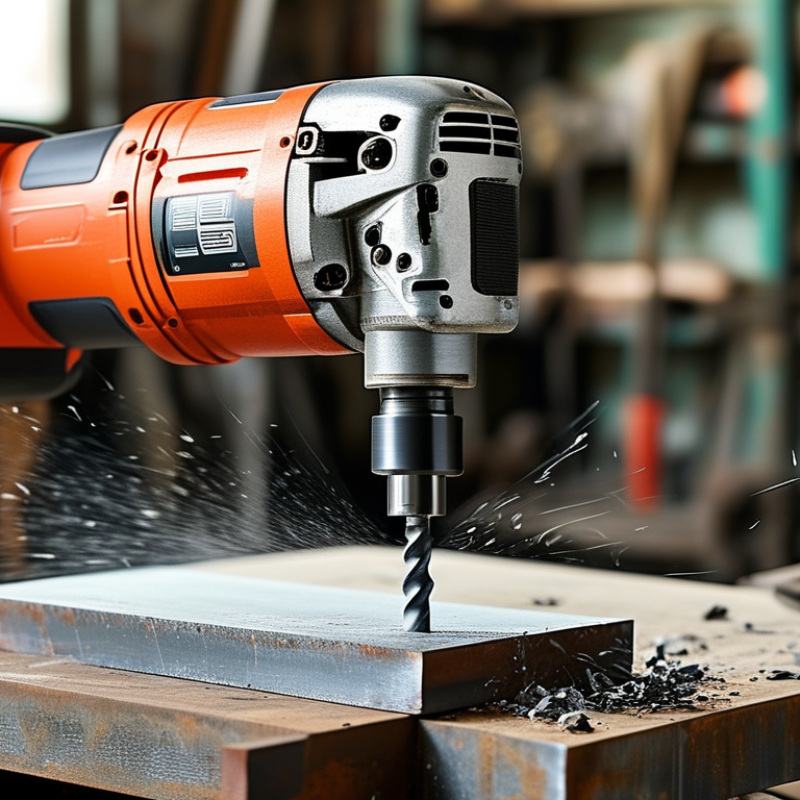
Definition and Core Purpose of a Pneumatic Chisel
A pneumatic chisel is a handheld tool powered by compressed air. It converts air pressure into rapid, repeated impacts. Inside its housing, a piston moves back and forth against a chisel bit. The bit transfers each blow to a small working area. Its core purpose is controlled removal, not continuous cutting. Technicians use it to break scale, loosen seized parts, trim sheet metal, and remove masonry or old mortar. The tool works best when impact force matches material resistance. Too much force can damage the workpiece.
Air enters through a trigger-controlled valve. The valve directs pressure around the piston in alternating stages. This movement creates the familiar rattling sound. Exhaust air leaves through ports as the cycle repeats. Stroke length and operating pressure affect the tool’s feel. A shorter stroke feels quicker and more precise. A longer stroke usually delivers heavier blows. Actual performance also depends on hose size, air supply, bit condition, and operator control. Technical descriptions often simplify this relationship. Real workshop results are less predictable.
From experience, a pneumatic chisel feels most useful when held firmly and guided steadily. I have found that forcing the bit rarely improves accuracy. It can cause slipping, vibration, or premature wear. The bit should sit squarely against the surface before pressing the trigger. Eye protection, hearing protection, gloves, and secure footing matter because fragments can travel unexpectedly. Regular lubrication and fitting checks support consistent impact. Still, maintenance cannot correct an undersized compressor or a dull bit. That limitation is easy to overlook.
Main Components and Their Functions
What Is a Pneumatic Chisel and How Does It Work?
Main Components and Their Functions
A pneumatic chisel converts compressed air into rapid mechanical impacts. Its main body houses the working parts and guides the piston. Air enters through the inlet and travels toward a control valve. When the trigger is pressed, the valve directs air behind the piston. The piston moves forward and strikes the chisel shank. It returns as air shifts to the opposite side. This cycle may repeat thousands of times each minute. Fast, controlled impacts.
The trigger and valve regulate airflow, not cutting force directly. The cylinder provides the piston’s travel path and resists repeated shock. The piston is the moving hammer. The chisel retainer holds the bit while allowing limited movement. A spring clip, collar, or locking sleeve may perform this task. The bit transfers impact into metal, masonry, or other materials. The exhaust port releases used air and prevents pressure buildup. A muffler may reduce noise, but it cannot make the tool quiet.
Reliable operation depends on clean, dry air, suitable pressure, and correct lubrication. Moisture can corrode internal surfaces. Excess oil can contaminate the work area and collect abrasive dust. Check the bit for mushrooming, cracks, or poor seating before use. I would not trust a secure-looking retainer without testing it gently. That step is easy to skip. Weak blows, unusual vibration, or irregular exhaust may indicate worn seals, restricted airflow, or valve trouble. Wear eye and hearing protection during practical work.
How Compressed Air Drives the Chiseling Action
A pneumatic chisel uses compressed air to create a rapid chiseling action.
Air enters through an internal valve and pushes a small piston forward. The piston strikes the chisel shank, then returns when the valve redirects airflow. This cycle repeats many times per second. That is the working principle.
Compressed air does more than supply force. It controls the piston’s speed, impact energy, and return motion. Higher pressure can increase striking power, but excessive pressure may accelerate wear or damage the workpiece. The exhaust air leaves through ports near the tool head, often producing a sharp, repetitive sound. In practical use, the stroke may feel less even when the air hose is too narrow or the compressor cannot maintain pressure. The operator may notice weaker impacts first.
Tips: Drain moisture from the air line before use. Water can reach the valve and reduce movement. Add the recommended pneumatic oil, but do not over-lubricate. Secure the chisel firmly, keep both hands clear, and wear eye and hearing protection. Experienced technicians also inspect the retainer and chisel edge before starting. A blunt edge wastes energy. Check the pressure while the tool is running, not only when it is idle. That small detail is easy to miss.
Common Types and Suitable Material Applications
What Is a Pneumatic Chisel and How Does It Work?
A pneumatic chisel uses compressed air to drive a piston back and forth. The piston strikes the chisel shank repeatedly. This creates fast, controlled impact energy without an electric motor. Many industrial models operate near 6.2 bar, or 90 psi, but users must follow the tool’s rating. The U.S. Department of Energy reports that compressed-air leaks can waste 20–30% of compressor output. Poor hose connections can therefore reduce striking performance and raise operating costs.
Common chisel types suit different materials. A pointed or moil chisel concentrates force on concrete, brick, and hard scale. It works well for breaking narrow sections, but it can over-penetrate thin masonry. A flat chisel spreads impact across a wider edge. It is suitable for trimming mortar, removing tile adhesive, and cutting soft masonry.
A rivet cutter or panel cutter is better for aluminum and mild steel. These tools separate metal without grinding large amounts of dust. For delicate surfaces, the choice is less obvious.
Material condition matters.
Test on scrap first. Old concrete may contain hidden steel, while brittle cast metal can crack suddenly. Keep the chisel aligned with the workpiece. Excessive side pressure can damage the shank or piston. NIOSH recommends limiting occupational noise exposure to 85 dBA over eight hours. Pneumatic chisels often require hearing protection, eye protection, gloves, and controlled work intervals. My practical caution is simple: published impact ratings cannot replace a material test, because moisture, thickness, and operator angle change results.
Safety Practices, Maintenance, and Performance Factors
What Is a Pneumatic Chisel and How Does It Work?
A pneumatic chisel converts compressed air into rapid piston movement. The piston strikes a fitted chisel, creating repeated impact energy for cutting, scaling, or breaking materials. Performance depends on air pressure, airflow volume, hose diameter, tool weight, and bit sharpness. A small, restricted hose can make a powerful tool feel weak. That detail is often overlooked.
Safety Practices, Maintenance, and Performance Factors
Hearing protection is essential because pneumatic chisels can exceed occupational noise limits. OSHA’s 29 CFR 1910.95 sets an 85 dBA action level for an eight-hour exposure. NIOSH also recommends an 85 dBA limit using a three-decibel exchange rate. Vibration matters too. HSE guidance identifies 2.5 m/s² A(8) as the hand-arm vibration action value. Operators should use gloves, eye protection, safety footwear, and secure workpieces. Inspect the retainer, bit, hose, and couplings before each shift. Never disconnect a pressurized line. That shortcut is dangerous. The weak point is often human judgment.
Tips: Use clean, dry air and follow the specified lubrication schedule. Drain moisture from the system. Replace mushroomed or cracked chisels immediately. Keep the bit aligned with the surface, rather than forcing it sideways. Check unusual noise, heat, or reduced impact early. A technician may still ignore these signs during a busy shift. That habit deserves reflection. Performance improves when maintenance records include pressure readings, lubricant checks, hose condition, and operator exposure time. Reliable records reveal gradual decline before failure becomes obvious.
What Is a Pneumatic Chisel and How Does It Work?
A pneumatic chisel converts compressed-air energy into rapid piston movement, producing repeated impacts through a chisel bit. The maintenance intervals below represent common workshop practices; always follow the tool manufacturer’s instructions and site safety requirements.
Safety and performance: Inspect the bit, retainer, hose, and couplings before use. Lubricate with the specified pneumatic-tool oil, keep the air supply clean and dry, and use the correct pressure and hose size. Excessive pressure, worn bits, restricted airflow, and poor lubrication can reduce impact performance and accelerate wear.
