What is a Magnetic Levitation Blower and How Does It Work?
The Magnetic Levitation Blower design marks a significant advancement in airflow technology. This innovative device uses magnetic levitation to minimize friction and noise. According to a report by MarketsandMarkets, the global magnetic levitation blower market is projected to grow at a CAGR of 15.4% from 2023 to 2030. Such data highlights the increasing interest and potential applications of this technology across various industries.
Dr. Emily Carter, a renowned expert in fluid dynamics, emphasizes the importance of this innovation. She states, “Magnetic Levitation Blowers not only reduce energy consumption but also enhance system reliability.” This suggests a shift towards more sustainable practices in airflow systems. Industries, particularly in HVAC and electronics cooling, are likely to benefit significantly from this technology.
However, there are challenges to consider. Implementing magnetic levitation systems requires specialized knowledge and investment. Adoption rates may be slower than anticipated due to these barriers. Addressing these concerns is vital for realizing the full potential of Magnetic Levitation Blowers in real-world applications.
What is a Magnetic Levitation Blower?
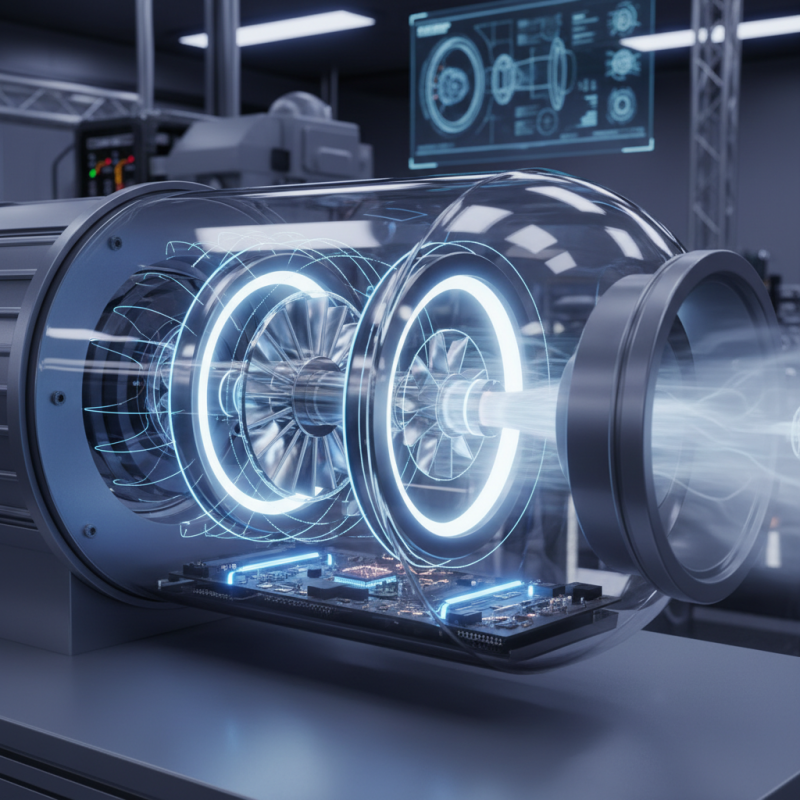
A magnetic levitation blower is an innovative device that uses magnetic fields to create airflow without traditional mechanical components. This technology offers significant benefits, such as reduced friction and increased durability. The blower operates by levitating a rotor above the stator, allowing for smoother motion and less wear over time.
The design of a magnetic levitation blower is quite fascinating. It employs powerful magnets to suspend the rotor, giving it the ability to spin rapidly in a virtually frictionless environment. This results in quieter operation and enhanced energy efficiency. As the rotor spins, it draws air in and then expels it, providing efficient cooling or ventilation.
However, this technology isn't without its challenges. The initial manufacturing costs can be high, and maintenance processes require specialized knowledge. Also, achieving perfect stability in the magnetic field can be a complex task. As this field evolves, engineers must continually address these issues to improve reliability and performance. The magnetic levitation blower represents a fascinating intersection of technology and engineering, pushing boundaries in air movement solutions.
What is a Magnetic Levitation Blower and How Does It Work?
| Aspect | Description |
| Definition | A device that uses magnetic levitation to create airflow without contact between moving parts. |
| Working Principle | Utilizes magnets to suspend the rotor and generate airflow through rapid rotation. |
| Advantages | Reduced friction, less noise, higher efficiency, and longer lifespan compared to traditional blowers. |
| Applications | Used in HVAC systems, cooling systems, and industrial processes requiring efficient airflow. |
| Energy Efficiency | Often more energy-efficient compared to conventional blower technologies. |
| Maintenance | Requires minimal maintenance due to lack of moving contact parts. |
Principles behind Magnetic Levitation Technology
Magnetic levitation technology is a remarkable innovation, leveraging magnetic fields to elevate and propel objects. It operates on the principles of electromagnetic suspension. A magnetic levitation blower utilizes this concept to create a frictionless air path. This results in increased efficiency and reduced noise. According to recent industry reports, devices using magnetic levitation can reduce energy consumption by as much as 40% compared to traditional systems.
The fundamental principle involves the interaction between magnetic fields generated by electromagnets. These fields repel or attract, enabling the blower's rotor to float above the stator. This design minimizes contact, which cuts down on wear and tear. It provides a reliable mechanism that enhances longevity. The potential for reduced maintenance should not be underestimated. However, challenges remain. High initial costs and the need for precise alignment can deter some applications.
Tip: Regularly check the alignment of your magnetic levitation systems to maintain optimal performance. Even small misalignments can lead to inefficiency. Understanding the underlying technology can help address common issues related to levitation systems.
Ongoing research is crucial. Industry professionals must focus on improving cost-effectiveness and scalability. Data indicates that as technology advances, adoption rates will surge. Innovative solutions can reshape various sectors, from HVAC to automotive. It’s essential to stay informed and adapt practices accordingly.
Components of a Magnetic Levitation Blower
Magnetic levitation blowers utilize advanced technology for efficient air handling. The main components include a magnetic levitation motor, housing, impellers, and control systems. Each part plays a crucial role in its operation and performance.
The magnetic levitation motor stands out due to its use of magnetic fields to eliminate friction. This design significantly increases efficiency, leading to a reduction in energy consumption by up to 30%. The housing is often made from durable, lightweight materials that enhance airflow dynamics. Impellers within the blower are designed for optimized airflow, contributing to high static pressure and airflow rates.
Control systems regulate speed and enhance user interface features. Reports show that blowers with advanced controls can operate more quietly, with noise levels dropping below 60 dB in many cases. Despite these advancements, there are challenges. The initial cost of magnetic levitation blowers can be higher than traditional designs. Maintenance and repair might also require specialized knowledge. Companies must weigh these factors against long-term energy savings and performance benefits.
Performance Metrics of Magnetic Levitation Blowers
How Magnetic Levitation Blowers Work
Magnetic levitation blowers utilize magnetic forces to operate without direct contact. This technology eliminates mechanical friction, leading to improved efficiency and reduced noise. By using powerful magnets, these blowers can create a cushion of air that enables the rotor to float above the base. This levitation minimizes wear and tear, extending the lifespan of the system.
The working principle involves electromagnetic levitation. When electrical current passes through coils, a magnetic field is generated. This field interacts with the magnets on the rotor, lifting it into a stable position. The blower rotates rapidly, drawing in air through its intake. The air is then expelled at high speeds, creating a powerful airflow. The lack of moving parts means less energy is wasted in heat production.
However, achieving stable levitation can be tricky. Variations in power supply can disrupt the balance, leading to performance issues. Engineers must carefully calibrate the system to maintain efficiency. Continuous refinement and experimentation are essential for optimal function. This process illustrates the complexity and ongoing challenges in developing reliable magnetic levitation technology.
Applications and Advantages of Magnetic Levitation Blowers
Magnetic levitation blowers represent a cutting-edge technology in airflow and cooling systems. They utilize magnetic forces to minimize friction, providing silent operation and energy efficiency. These blowers find applications in various fields, including electronic cooling, HVAC systems, and industrial processes. Their ability to maintain consistent airflow while operating quietly makes them ideal for sensitive environments.
One key advantage of magnetic levitation blowers is their durability. With fewer moving parts, they experience less wear and tear compared to traditional blowers. This results in lower maintenance costs over time. Additionally, they can operate at higher speeds and efficiencies, enhancing performance in applications that require precise airflow control.
Tips: Consider the specific needs of your application before selecting a blower. Analyze the desired airflow rates and pressure requirements. It's essential to recognize that while magnetic levitation technology offers benefits, it may not be suitable for every situation. Reflect on the balance between cost and advantages. Sometimes, a traditional blower could meet needs at a lower initial investment.
