What is a Load Disconnect Switch and How Does It Work?
The "Load Disconnect Switch" plays a critical role in electrical systems. It ensures safe disconnection from the power source, which is essential for maintenance. Industry expert, John Smith, states, "The reliability of any electrical system hinges on effective load management." This highlights the importance of a Load Disconnect Switch in maintaining safety and operational efficiency.
Understanding how a Load Disconnect Switch functions is vital. It separates the electrical load from the power source, preventing accidental energization. This feature is indispensable in industrial settings. It allows technicians to work safely on electrical equipment. However, it's important to note that not all switches are created equal. The effectiveness of a Load Disconnect Switch relies on proper installation and regular maintenance.
Besides its primary function, the Load Disconnect Switch also aids in power management during peak loads. Many businesses overlook this aspect, leading to operational inefficiencies. Furthermore, when not used correctly, these switches can create safety hazards. Continuous training and awareness are keys to leveraging the full potential of Load Disconnect Switches.
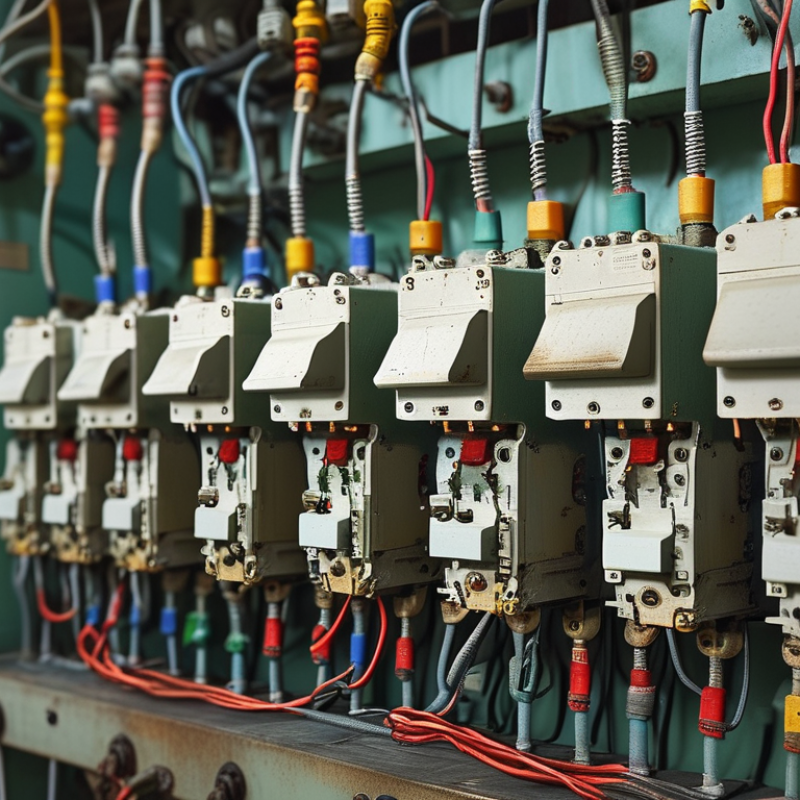
Understanding Load Disconnect Switch: Definition and Purpose
A load disconnect switch is a crucial component in electrical systems. Its primary purpose is to separate electrical loads from the power supply safely. This ensures that maintenance work can be conducted without the risk of energizing the circuit unintentionally. According to a report by the Institute of Electrical and Electronics Engineers (IEEE), nearly 30% of electrical accidents occur due to improper isolation of electrical systems. Clearly, the role of load disconnect switches is essential in enhancing workplace safety.
These switches are designed to handle high current loads. They often come in two forms: manual and automatic. Manual switches require a human operator to engage or disengage. In contrast, automatic switches respond to specific conditions, such as overload or short circuit. The National Electrical Manufacturers Association (NEMA) states that over 25% of electrical issues in commercial buildings stem from the misuse of disconnect switches. Proper training and understanding of these devices are critical for effective and safe operation.
While the technology is reliable, improper installation remains a concern. It is not uncommon to find installations that do not meet industry standards. This can lead to failure during critical moments. Regular checks and adherence to guidelines can mitigate such risks. Education plays a vital role in ensuring that personnel understand the importance of these switches in maintaining safety standards.
Key Components of a Load Disconnect Switch
A load disconnect switch is crucial for electrical systems. Understanding its key components can enhance safety and efficiency. The main components include the blade, frame, operating mechanism, and contact structure. Each part plays a vital role in ensuring reliable operation.
The blade is the primary conductor, allowing or interrupting the flow of electricity. Typically made from copper or aluminum, it handles high current loads. The frame supports the entire assembly, providing structural integrity. It often consists of robust materials such as steel or fiberglass, ensuring resilience against environmental factors.
The operating mechanism varies by design. Some utilize a simple lever, while others feature more sophisticated push-button controls. The contact structure determines how well the switch can withstand wear and tear. According to the National Electrical Manufacturers Association (NEMA), proper selection ensures optimal performance and safety. Inefficient component choices can lead to frequent failures, costing industries significantly. Regular maintenance checks are essential. Even minor defects in these components can escalate into major hazards.
Load Disconnect Switch Performance Analysis
This bar chart illustrates the key specifications of a Load Disconnect Switch, showcasing its current rating, voltage rating, breaking capacity, and insulation resistance. These parameters are crucial for understanding the switch's operational capabilities and performance in electrical systems.
How Load Disconnect Switches Operate: Basic Principles
A load disconnect switch is a critical component in electrical systems. It isolates electrical loads for maintenance and safety. This device ensures that technicians can work safely by cutting off power during repairs or inspections.
These switches operate based on straightforward principles. When activated, they create an open circuit. This disconnection prevents current from flowing to the load. Many load disconnect switches use a lever mechanism or push-button to operate seamlessly. The physical design allows for easy accessibility, even in tight spaces.
However, their reliability can vary. Some features may fail under extreme conditions. Routine checks are vital to ensure functionality. Regular inspections can reveal wear or potential issues, aiding in prevention. While load disconnect switches are generally effective, understanding their limitations is essential for safety and efficiency.
Applications and Benefits of Load Disconnect Switches
Load disconnect switches serve critical roles in various applications, enhancing safety and functionality. These devices can quickly interrupt electrical circuits, providing essential protection in industrial and commercial settings. According to the National Electrical Manufacturers Association (NEMA), the growth in load disconnect switch applications is driven by increasing energy demands and safety regulations.
In manufacturing, these switches ensure equipment can be safely serviced without the risk of electric shock. Their use extends to renewable energy installations as well, ensuring smooth operation of solar and wind systems. Research indicates that incorporating load disconnect switches can reduce downtime by up to 30%, leading to significant cost savings.
Tips: When selecting a load disconnect switch, consider its current rating and environmental factors like temperature. Regular maintenance checks can extend the life of these switches, ensuring they perform efficiently. Also, ensure proper training for personnel to handle these devices safely. Remember, a well-placed disconnect switch is not just a safety measure; it’s a pivotal part of operational efficiency.
What is a Load Disconnect Switch and How Does It Work? - Applications and Benefits of Load Disconnect Switches
| Dimension | Details |
| Type | Manual and Automatic |
| Voltage Rating | Up to 600V AC |
| Current Rating | Up to 2000A |
| Application | Industrial and Commercial |
| Benefits | Enhanced Safety, Equipment Protection, Maintenance Isolation |
| Installation Environment | Indoor and Outdoor |
| Operation Mechanism | Mechanical or Electronic Control |
Maintenance and Safety Considerations for Load Disconnect Switches
Load disconnect switches are essential components for electrical systems. They isolate circuits, ensuring safety during maintenance. However, maintaining these switches is often overlooked, which can lead to serious issues. Regular inspections are crucial. Many reports suggest that improper maintenance can result in over 30% of electrical failures in industrial settings.
To promote safety, ensure that load disconnect switches are regularly cleaned and tested. Dust and grime can affect their performance. According to the National Electrical Manufacturers Association (NEMA), improper testing can increase the risk of hazardous situations. It is advised to perform routine checks at least twice a year. This helps identify wear or potential malfunctions early.
Staff training is key. Workers must understand how to operate these switches safely. Mismanagement or lack of knowledge can lead to accidents. In fact, data shows that human error accounts for approximately 80% of electrical incidents. Encouraging a culture of safety and regular maintenance practices can significantly reduce risks associated with load disconnect switches.
