What is a LED Light Wiring Harness and How to Choose One?
LED light wiring harnesses play a crucial role in modern lighting solutions. These components aid in the efficient management of electrical connections. According to a report by Allied Market Research, the global demand for LED lighting is projected to reach $100 billion by 2027. This surge in usage highlights the significance of reliable wiring solutions.
Expert Keith Johnson, a leading figure in the LED industry, asserts, “A well-designed LED light wiring harness is vital for performance and longevity.” His insights emphasize the need for quality when choosing these harnesses. Proper selection ensures optimal functionality and reduces potential electrical failures.
When exploring options for an LED light wiring harness, consider factors such as material quality, gauge size, and insulation type. These details directly impact performance. Take time to evaluate your specific requirements, as a one-size-fits-all approach may lead to unforeseen issues. As with any product, reflection on your choices is key to achieving lasting satisfaction.
What is a LED Light Wiring Harness?
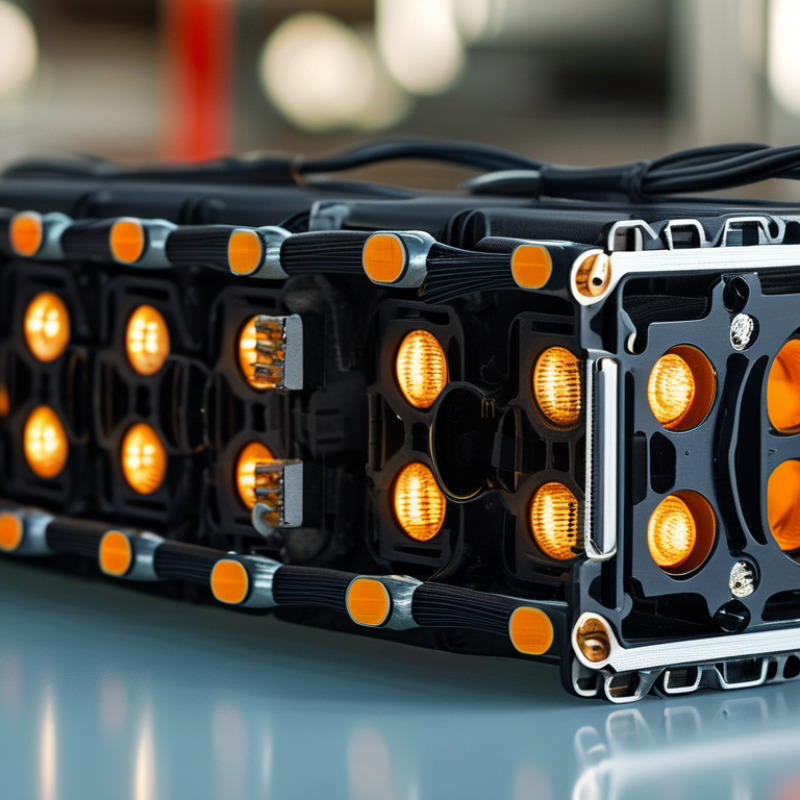
A LED light wiring harness is essential for safe and effective lighting setups. This component connects LED lights to a power source, ensuring proper voltage and current flow. It typically consists of wires, connectors, fuses, and relays. A well-designed wiring harness not only improves the lifespan of the LEDs but also enhances performance by minimizing electrical resistance.
Data from a recent industry report shows that over 40% of LED failures are due to improper wiring. This statistic highlights the importance of selecting a quality wiring harness. When choosing one, consider gauge size and material. The gauge affects the current-carrying capacity. Copper is preferred for its reliability. Proper insulation is vital to prevent short circuits and maximize safety.
While many options exist, not every harness fits every application. Custom solutions may be necessary, especially for unique lighting needs. It’s important to reflect on compatibility with existing electrical systems. Conduct thorough research to ensure you are making the best choice. Quality matters when it comes to ensuring longevity and performance in LED lighting.
Components of a LED Light Wiring Harness
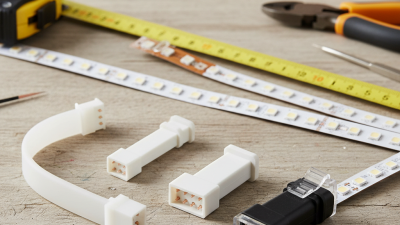
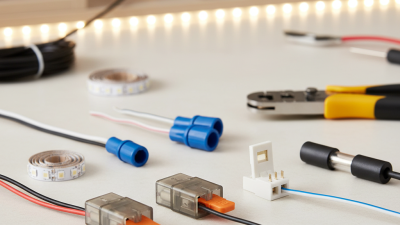
A LED light wiring harness is essential for properly powering these energy-efficient lights. Understanding its components helps when selecting the right harness for your needs. A typical harness includes connectors, wiring, and sometimes fuses. Connectors secure the LED lights to the power supply, ensuring a stable connection. The wiring must be rated for the amp load, as inadequate wiring can lead to overheating.
Choosing a wiring harness requires an understanding of your LED setup. Consider the number of lights to be connected and their total wattage. The gauge of the wire is crucial; thicker wires can handle more current, which is essential for preventing electrical issues. Some people underestimate the importance of fuses. A fuse can protect your wiring and lights from short circuits or overloads.
It's also vital to check weatherproof ratings, especially for outdoor use. Many harnesses are not water-resistant, which can lead to failures. Misalignment in connector sizes can also present issues. Ensure your harness matches the specifications of your LED lights to avoid frustrating compatibility problems. Taking time to assess these components makes a significant difference in performance and longevity.
Key Factors to Consider When Choosing a LED Light Wiring Harness
When selecting a LED light wiring harness, there are several key factors to consider. Firstly, the gauge of the wire is crucial. Thicker wires can handle more current, reducing the risk of overheating. If the gauge is too thin for your application, it can lead to failures or even fires. Always ensure that the wire gauge matches the power requirements of your lights.
Compatibility is another essential factor. Check the wiring harness's connectors and make sure they fit with your LED lights. Mismatched connectors can hinder performance. Additionally, look for harnesses that come with fuses or circuit breakers. These components provide an extra layer of protection against power surges.
Durability is important, especially if your lights will be exposed to harsh conditions. Waterproof and heat-resistant materials can extend the life of the wiring harness. However, not all products boast these features. Research the materials used in the harness construction to make a reliable choice. Many may overlook these considerations, leading to premature failures or safety hazards. It's wise to invest time into finding a quality product that meets your specific needs.
What is a LED Light Wiring Harness and How to Choose One?
| Feature |
Description |
| Wire Gauge |
Typically 16 to 12 AWG, affecting current capacity. |
| Connector Type |
Varies based on LED light type; ensure compatibility. |
| Length |
Common lengths range from 12 inches to 6 feet; choose based on setup. |
| Fuse |
Includes a fuse for overload protection; check amp rating. |
| Weather Resistance |
Look for waterproof or weather-resistant features for outdoor use. |
| Installation |
Ease of installation is important; consider plug-and-play options. |
| Price |
Prices range from $10 to $50; balance quality and budget. |
Types of LED Light Wiring Harnesses Available on the Market
LED light wiring harnesses are essential components in modern lighting setups. They connect various LED lights to the power source and help distribute electricity efficiently. Several types of wiring harnesses are available, each tailored for different applications.
One common type is the standard harness. This option usually includes several connectors and a fuse for overcurrent protection. It’s suitable for basic setups like automotive lighting or general household use. Another variation is the extension harness, which allows users to extend the distance from the power source to the LED lights. It's particularly useful in applications where lights are installed far from the power outlet.
For more advanced projects, consider harnesses with built-in controllers. These offer programmable settings, enabling users to adjust brightness and color. However, these systems can be complex and might not suit beginners. It's vital to assess your specific lighting needs before choosing a harness. Consider ease of installation and compatibility with your existing lights.
While many harness options exist, not every model is ideal for everyone. Beginners might find standard harnesses easier to work with. However, complex installations may require more advanced solutions. Reflecting on your needs and skills can help you make the right choice.
Types of LED Light Wiring Harnesses Available on the Market
This bar chart illustrates the popularity of different types of LED light wiring harnesses based on estimated sales. As seen, the universal harness is the most popular type, followed by the standard harness, while heavy duty and waterproof harnesses have lower sales figures.
Tips for Proper Installation of a LED Light Wiring Harness
Installing a LED light wiring harness requires attention to detail. Ensure all components are compatible with your vehicle's electrical system. A recent industry report highlights that improper installation can lead to a 30% increase in repair costs. This insight emphasizes the importance of accuracy during the installation process.
When setting up the harness, consider wire gauge and length.
Thicker wires handle more current. For most LED lights, 18 to 16 gauge wires are recommended. Cut wires to the right length. Excess wire creates clutter and can increase the risk of shorts. Secure all connections with high-quality connectors to prevent corrosion. Studies show that corrosion can reduce lighting efficiency by up to 15%.
Pay attention to the grounding connection. A poor ground can lead to flickering lights. Also, test the system before finalizing the installation. Sometimes, issues might arise not during installation but when testing. Be prepared to troubleshoot wiring errors. Documenting the wiring process can also help identify potential problems later on.