Isolation Switch Tips for Safe Electrical Practices?
Isolation Switches play a crucial role in electrical safety. They are designed to disconnect power to specific equipment, ensuring safe maintenance and operation. A well-placed isolation switch can prevent accidents and enhance safety during electrical work.
Understanding how to use these switches effectively is essential. For instance, one must locate the isolation switch before beginning any work. This preparation helps avoid surprises. Additionally, regular maintenance of the switches is important. A faulty switch can lead to dangerous situations.
Despite their benefits, isolation switches are often misunderstood. Some people overlook their importance, potentially leading to unsafe conditions. Always remember, using an isolation switch isn't just a safety measure; it's an essential practice that can save lives. Awareness and knowledge about isolation switches can significantly improve safety standards in any electrical setting.
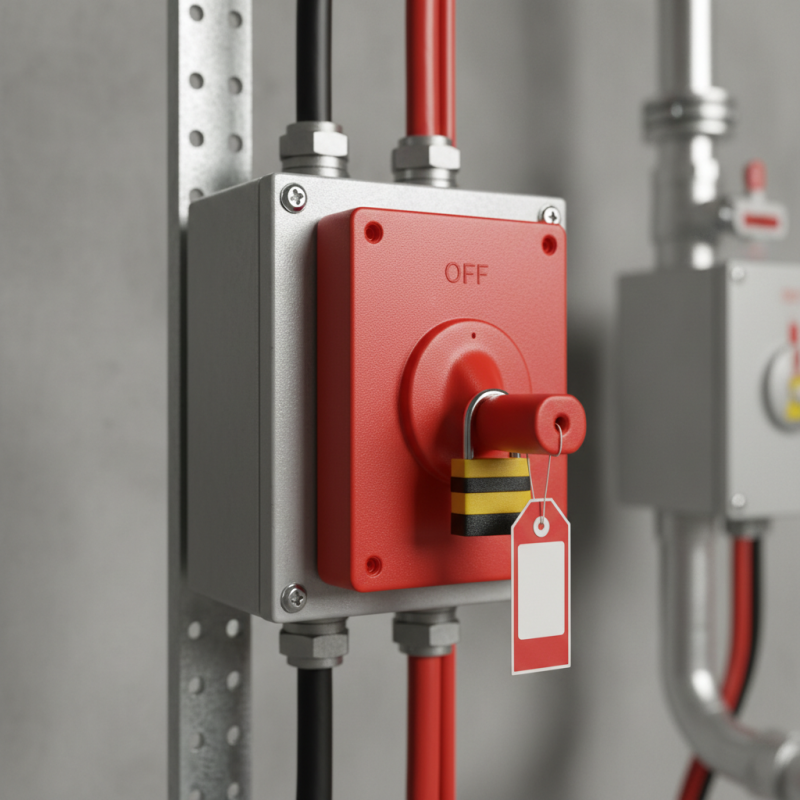
Understanding the Purpose and Function of Isolation Switches
Isolation switches play a crucial role in electrical safety. They are designed to disconnect electrical circuits from the power supply. This disconnection prevents accidental energization during maintenance or repair work. It's a simple mechanism, but its importance cannot be overstated. Understanding how these switches work can enhance workplace safety.
Isolation switches are often located near electrical equipment. They should be easily accessible but not inadvertently activated. Proper labeling is essential to prevent confusion. Clear instructions can help avoid mistakes. Each switch must be carefully tested regularly. A faulty switch can lead to dangerous situations. Some even overlook maintenance schedules, thinking all is well.
Note that not all isolation switches function the same way. Different designs may have unique features. Understanding these differences can prevent misuse. When working around electrical systems, always remember: safety is paramount. Awareness and proper use of isolation switches are vital for everyone involved. We must reflect on our practices to enhance safety.
Key Safety Protocols When Using Isolation Switches
Isolation switches are essential for electrical safety. They provide a means to disconnect power safely during maintenance. Proper use is critical to avoid accidents. Always ensure the switch is clearly labeled. This helps in identifying it quickly during emergencies.
Before working on any electrical system, ensure the isolation switch is fully engaged. Check that the power is off with a reliable tester. This step is often overlooked, leading to severe injuries. If unsure, consult an expert. Remember, safety should never be compromised, even if you're in a hurry.
While isolation switches are designed for safety, improper handling can lead to risks. Do not assume all switches operate the same way. Familiarize yourself with each switch you encounter. It's crucial to regularly inspect these devices for wear and tear. Ignoring maintenance can result in malfunction, creating hazardous situations. Always stay vigilant and make safety your priority.
Proper Installation Techniques for Isolation Switches
When installing isolation switches, safety should always come first. A secure and correct installation is essential to prevent electrical hazards. Start by examining the location. Ensure the area is dry and accessible. Proper placement minimizes risks during operation and maintenance. Use the right tools and personal protective equipment. This step is often overlooked but is crucial for safety.
Wiring techniques matter significantly. Double-check all connections. Loose wires can lead to shorts and failures. Make sure that the switch is rated for the load it will handle. Oversizing or undersizing can cause problems over time. Pay attention to grounding. A proper ground connection is vital to prevent shock hazards.
Post-installation checks are necessary. After installation, test the switch to confirm it works. Consider periodic inspections. Accumulated dust or corrosion can impair function. Sometimes, simple maintenance tasks are forgotten. Regularly check for wear and tear. Small issues can escalate if ignored. Keeping a routine ensures the switch remains safe and effective.
Isolation Switch Usage and Safety Practices
Common Mistakes to Avoid with Isolation Switches in Electrical Work
When working with isolation switches, mistakes can be costly. One common error is assuming the switch is off without confirming. Always double-check the status before starting any work. A simple tester can save you from electrical shock. Relying solely on visual indicators can lead to dangerous situations.
Another frequent mistake is poor labeling. If isolation switches aren't clearly marked, confusion can arise. Workers may accidentally disengage the wrong circuit. Clear labels prevent these risks and improve safety. Sometimes, installer's notes get overlooked or damaged over time. This oversight can lead to major mishaps.
Finally, neglecting routine maintenance is a critical error. Isolation switches should be tested regularly to ensure they function correctly. Ignoring signs of wear, like discoloration or unusual noises, can indicate a deeper issue. Keeping a maintenance log can help in tracking the condition of the switches. Remember, taking shortcuts today might lead to accidents tomorrow.
Isolation Switch Tips for Safe Electrical Practices
| Tip | Description | Common Mistakes |
| Always Use a Lockout/Tagout (LOTO) Procedure | Ensure the isolation switch is properly locked out during maintenance. | Neglecting to use LOTO can lead to accidental re-energization. |
| Regularly Inspect Isolation Switches | Check for wear, damage, or malfunctioning before use. | Failing to inspect can result in equipment failure or hazard. |
| Know the Load Rating | Check the specifications to ensure the switch can handle the load. | Using a switch rated below actual load can lead to fire hazards. |
| Use Appropriate Tools | Utilize insulated tools to prevent electrical shocks. | Using non-insulated tools can lead to serious injuries. |
| Educate and Train Personnel | Ensure all staff are trained on isolation switch procedures. | Lack of training can lead to unsafe practices and accidents. |
Regular Maintenance and Testing for Isolation Switch Reliability
Isolation switches play a critical role in ensuring electrical safety. Regular maintenance is essential for their reliability. Neglecting this can lead to failure, resulting in dangerous situations. According to industry reports, around 25% of electrical accidents stem from inadequate maintenance. This highlights the importance of keeping isolation switches in top shape.
Performing periodic tests is vital. These tests can reveal hidden issues, ensuring efficient operation. For instance, a visual inspection should be routine. Look for signs of wear or damage. Make sure all connections are secure. An annual infrared inspection can also identify overheating components that could pose risks.
Tips for maintaining isolation switches include scheduling regular inspections and training staff. Educate them on recognizing warning signs. Random checks can also help. Keep a detailed maintenance log. This can track performance trends and pinpoint areas needing attention. By prioritizing upkeep, you can significantly reduce risks.
