How to Track Socket Orders Worldwide?

Tracking socket orders across borders can feel simple until the shipment leaves the seller’s warehouse. A reliable Track Socket process connects the order number, carrier reference, and destination country in one clear record. It shows when the package was packed, collected, scanned, transferred, and delivered. These details help buyers understand delays without relying on vague status messages.

A professional tracking workflow begins with verified information. Check the seller’s confirmation email, then compare the tracking number with the carrier’s official website. Record the dispatch date, estimated arrival window, and latest scan location. A shipment may move through several regional carriers before reaching its final address. Customs reviews, weather, warehouse congestion, and incorrect contact details can change the delivery schedule. Small details matter.

Use more than one source when the route crosses borders. Carrier portals, seller support teams, and recognized logistics platforms can provide different parts of the journey. Avoid unofficial links that request unnecessary payment or sensitive information. Good tracking also protects customer trust because every update can be checked against a time and place.

The process is not perfect. Some scans appear late. Others never appear at all. That is frustrating. I have found that documenting each update reduces confusion when support teams investigate a missing parcel. Clear records also expose weak handoffs between carriers. Track Socket should support careful decisions, not create false certainty. Delivery estimates remain estimates, especially during international transport. A practical guide must acknowledge that limitation while giving readers useful steps, realistic expectations, and safer ways to follow every socket order worldwide.
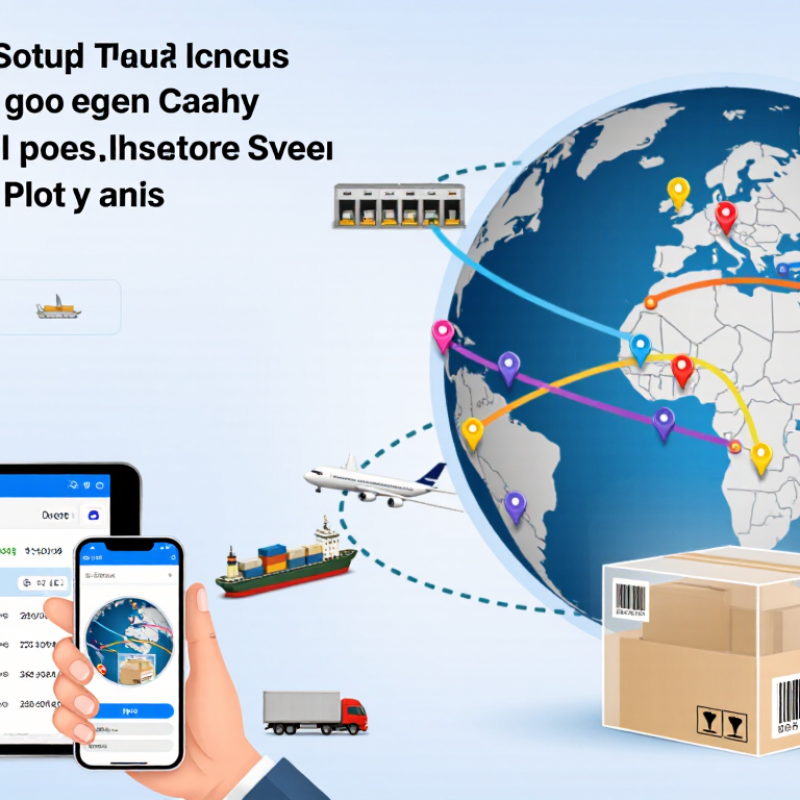
How to Track Socket Orders Worldwide?

What Socket Order Tracking Means and Why It Matters

How to Track Socket Orders Worldwide?

Socket order tracking means seeing each shipment milestone, from production confirmation to final delivery. For electrical sockets, useful tracking should show the model, quantity, batch, packing status, carrier handoff, and estimated arrival. A single tracking number is not enough. Buyers need clear evidence that the correct goods are moving.

This visibility matters because international transport contains long silent periods. UNCTAD’s Review of Maritime Transport reports that over 80% of global merchandise trade by volume moves by sea. A socket order may spend days between port departure and customs clearance. The World Bank’s 2023 Logistics Performance Index evaluates 139 economies and includes tracking and tracing as one of six key logistics dimensions. Better tracking helps buyers identify delays before installation schedules collapse.

Tracking data should explain events in plain language. “Customs documents received” is more useful than “in transit.” Teams should compare the promised delivery date with actual scans, then contact the forwarder when milestones stop updating. It can still fail. Weather, port congestion, damaged labels, or manual data entry may create gaps. That limitation deserves honest communication. A reliable system records the last confirmed location, expected next step, and responsible party. Small details matter, especially when several cartons contain similar socket specifications.

What Information You Need Before Tracking a Socket Order

How to Track Socket Orders Worldwide?

Before tracking a socket order, collect more than a reference number. Confirm the carrier, transport mode, booking number, departure location, destination port, and planned dispatch date. Record the destination country, city, and postal code carefully. Small details matter. UNCTAD’s Review of Maritime Transport reports that ships carry over 80% of global merchandise trade by volume. Therefore, a socket order may pass through several ports before reaching the final delivery network.

Request the commercial invoice, packing list, carton count, gross weight, dimensions, product description, and country of origin. The correct HS code can help identify customs delays, while the agreed delivery term clarifies responsibility for transport and import charges. The World Bank’s 2023 Logistics Performance Index measures tracking and tracing on a 1-to-5 scale. Its results show that shipment visibility differs substantially between trade corridors. A tracking page can still hide important gaps.

After dispatch, check the latest scan, event location, timestamp, and time zone. Ask what each status means. “In transit” may indicate movement, or only an unclosed transport leg. If no update appears for 48 to 72 hours, contact both the supplier and carrier with the full shipment record. Keep the recipient’s phone number ready. One incorrect digit can redirect a delivery inquiry. Tracking is not proof of delivery. I would also recheck the package count, because a partial shipment can look complete online.

How to Track Socket Orders Through the Seller or Supplier

When tracking socket orders worldwide, the seller or supplier is often the most reliable starting point. Ask for the purchase order number, dispatch date, carrier name, and tracking reference. Request these details in one written message. Clear records prevent confusion across time zones.

A dependable supplier should explain each shipping stage, from warehouse release to export handling and final delivery. I usually compare the supplier’s update with the carrier’s tracking page. If both records disagree, I ask for a scanned dispatch document or a warehouse confirmation. Small details matter. Check the carton count, destination address, and estimated arrival date. A missing carton number can delay an otherwise correct shipment.

For larger socket orders, request packing photos before shipment. Photos can show labels, quantities, and visible damage. Keep copies of invoices, packing lists, and messages until the goods are inspected. Some tracking pages stop updating during customs or regional transfer, so silence does not always mean loss. Still, waiting too long is a mistake. Contact the supplier after two business days without movement, then ask for a carrier investigation when appropriate.

I once treated an estimated delivery date as a promise. That created unnecessary pressure. Estimates can change because of weather, port congestion, or incomplete address details. A better approach is to record every update and confirm the next action in writing. When the order arrives, count the cartons before signing for delivery and report discrepancies promptly.

How to Track Socket Orders Worldwide?

International socket orders can usually be tracked through the seller or supplier by requesting the order number, shipment reference, carrier name, and the latest logistics update.

The chart presents the standard cross-border shipment milestones commonly used by postal, express, and freight tracking systems. Ask the seller or supplier for the tracking reference after dispatch, then verify updates through the relevant carrier or logistics portal. Actual milestones may vary by destination, transport mode, customs process, and supplier.

How to Follow International Shipping and Customs Updates

Tracking an international socket order requires more than copying a parcel number. Use the carrier’s event history, commercial invoice, packing list, and customs portal together. UNCTAD’s Review of Maritime Transport 2024 reports that over 80% of world trade by volume moves by sea. Therefore, a small order may show few updates during multiple handovers. Silence is not always loss. But check it.

Compare the latest scan with the agreed delivery terms, port arrival, and customs status. If customs requests details, provide the socket type, quantity, material, voltage rating, and intended use. Avoid vague wording such as “parts.” The World Bank’s Logistics Performance Index 2023 identifies customs efficiency and shipment timeliness as key logistics dimensions. A mismatch between invoice values and package contents can trigger inspection, reassessment, or delay. Save every timestamp, message, and document in one file. This creates an evidence trail when tracking pages change.

UNCTAD reported that maritime trade grew only 2.4% in 2023, showing how capacity and route conditions can remain tight. For delays, contact the seller and logistics provider with the order number, last scan, and customs reference. Ask for the next physical action, not a generic update.

“Awaiting clearance” is incomplete. It may indicate missing data, lawful duty payment, examination, or a queue.

My tracking habits are not perfect; I sometimes trust a portal too long. A second source and calendar reminder can expose problems earlier.

How to Resolve Delays, Missing Scans, or Delivery Problems

How to Track Socket Orders Worldwide?

How to Resolve Delays, Missing Scans, or Delivery Problems

Tracking a socket order starts with the order number and the destination postal code. Save the dispatch email, item description, and promised delivery window. Then check the carrier’s official tracking page, not only a marketplace display.

A status such as “label created” means the parcel may not have entered the network yet. It does not confirm movement.

Missing scans often happen during export, customs processing, or handover between delivery networks. Wait 48 to 72 hours after an international scan before assuming the parcel is lost.

Check the address carefully, including apartment numbers and local phone details. Contact the seller when the parcel exceeds the stated delivery window. Provide screenshots, dates, and the last scan location. Clear evidence usually speeds up investigation.

For a delayed socket shipment, ask whether the parcel is held for address clarification, import review, or a failed delivery attempt. Do not rely on vague updates. Request a case reference and the next expected action.

If tracking stops after “delivered,” check with household members, reception desks, and nearby safe locations. I have found that delivery photos can be useful, but they are not always conclusive. A parcel can be marked delivered too early.

Keep records until the socket arrives and is inspected for damage. If the contents are missing or broken, photograph the packaging before disposal. Some claims fail because buyers throw away the evidence.