10 Essential Tips for Choosing the Best Custom LED Strip Lights for Your Home
When it comes to enhancing the ambiance of your home, few options are as versatile and effective as custom LED strip lights. These innovative lighting solutions allow homeowners to express their creativity, tailor their environments, and create unique atmospheres that reflect their personal style. Whether you’re looking to brighten up a dark corner, accentuate architectural features, or simply add a pop of color, the right custom LED strip lights can make all the difference.
However, with a multitude of options available in the market, selecting the best custom LED strip lights for your specific needs can be overwhelming. From brightness levels to color temperatures and installation methods, there are several factors to consider that can impact your overall satisfaction. This guide presents ten essential tips that will help you navigate the selection process and ensure that your investment not only meets your aesthetic requirements but also aligns with functionality and energy efficiency. By following these insights, you can illuminate your home in a way that is not only visually striking but also perfectly suited to your lifestyle and preferences.
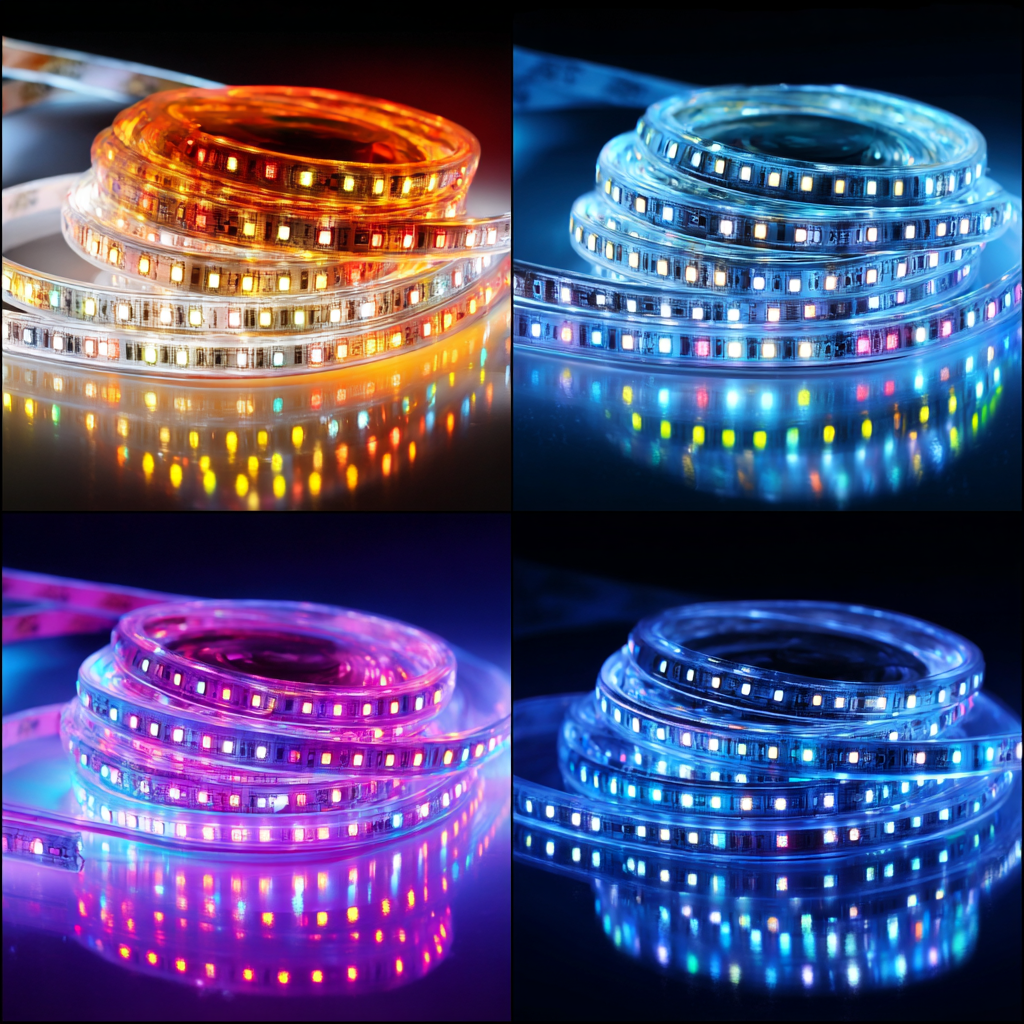
Understanding the Different Types of Custom LED Strip Lights Available on the Market
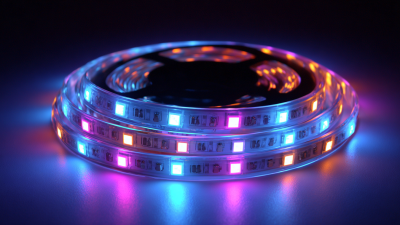
When exploring the various types of custom LED strip lights available on the market, it’s essential to understand the distinct characteristics that each option offers. The most common types include RGB LED strips, which can emit a wide spectrum of colors and allow for dynamic lighting effects, making them perfect for creating mood lighting in any room. Additionally, there are white LED strips available in both warm and cool tones, ideal for achieving a more traditional lighting ambiance, while also enhancing the aesthetic of your living space.
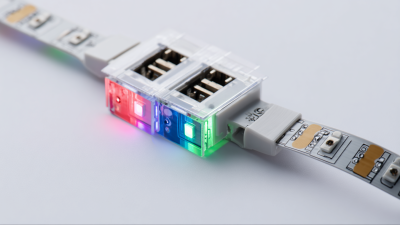
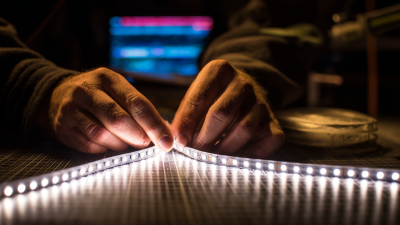
Another aspect to consider is the flexibility and adhesive backing of LED strip lights. Flexible strips can be easily bent around corners or cut down to size, enabling you to fit them into unconventional spaces. Furthermore, ensuring that the adhesive used is durable enough for the intended application is crucial, as this affects how well the lights stay mounted. Ultimately, selecting the right type of custom LED strip lights involves considering your specific lighting needs, aesthetics, and the environment in which they will be installed.
Key Factors to Consider for LED Strip Light Brightness and Color Temperature
When selecting custom LED strip lights for your home, two critical factors to consider are brightness and color temperature. Brightness, measured in lumens, will determine how much light the strips will emit in a given space. For ambiance, softer brightness levels are often more desirable, particularly in areas like bedrooms or living rooms. However, for task-oriented spaces like kitchens or work areas, a higher lumen output may be necessary to ensure adequate visibility. Therefore, it's essential to choose LED strips that suit the intended use of the space while providing the right amount of illumination.
Color temperature, expressed in Kelvin (K), significantly influences the mood of a room. Warm white light (around 2700K to 3000K) creates a cozy and inviting atmosphere, making it ideal for living areas. In contrast, cool white light (4000K to 5000K) is more energizing and works well in spaces where focus and clarity are paramount, such as home offices or study areas. Consider how the color temperature will complement your home’s decor and the feelings you want to evoke in each space. With careful consideration of these factors, you can enhance your home’s aesthetics and functionality through the perfect choice of custom LED strip lights.
10 Essential Tips for Choosing the Best Custom LED Strip Lights for Your Home
| Feature |
Description |
Recommended Values |
| Brightness (Lumens) |
Measure of the total light output from the LED strip. |
800 - 1200 lumens per meter for general lighting |
| Color Temperature (Kelvin) |
The appearance of the light, ranging from cool to warm. |
2700K - 3000K for warm white, 5000K - 6000K for cool white |
| Length of Strip |
Total footage that the LED strip covers. |
1m to 5m, depending on the installation area |
| Dimming Capability |
Ability to adjust the brightness levels of the strip lights. |
Support for dimmers; ensure compatibility |
| Indoor/Outdoor Use |
Durability against weather conditions for outdoor use. |
Waterproof rating of IP65 or higher for outdoor |
| Power Supply |
The required voltage and wattage to run the LED strips. |
Voltage: 12V or 24V; wattage as per total length |
| Features |
Additional functions like color change and remote control. |
RGB options; app-controlled models |
| Mounting Type |
How the LED strips will be installed. |
Adhesive backing or clips available |
| Warranty |
Coverage provided by the manufacturer against defects. |
Typically 1-5 years |
| Reviews and Ratings |
User feedback on performance and longevity. |
4 stars and above recommended |
Evaluating the Power Consumption of LED Strip Lights for Energy Efficiency
When selecting custom LED strip lights for your home, evaluating their power consumption is crucial for achieving energy efficiency. According to the U.S. Department of Energy, LED lights consume at least 75% less energy than incandescent bulbs, significantly lowering electricity costs. Additionally, the average lifespan of LED strip lights can reach up to 25,000 hours, further enhancing their efficiency compared to traditional lighting options.
It's essential to review the wattage of the LED strips you are considering. Industry standards indicate that high-quality LED strip lights typically operate between 4 to 24 watts per meter. Choosing a product that strikes a balance between brightness and lower power consumption is key. Furthermore, dimmable options can help to reduce energy usage even further, allowing homeowners to adjust lighting levels based on their needs. By prioritizing energy-efficient LED strip lights, you can not only enjoy vibrant lighting in your home but also contribute to reducing your carbon footprint and energy bills.
Assessing the Quality of Materials Used in LED Strip Light Manufacturing
When selecting custom LED strip lights for your home, assessing the quality of materials used in their manufacturing is crucial. High-quality LED strips typically utilize premium components such as robust circuit boards, superior diodes, and durable adhesive backing. These materials not only enhance the performance and longevity of the lights but also ensure energy efficiency. For instance, look for LED strips made with copper circuitry rather than cheaper alternatives, as copper offers better conductivity and reduces the likelihood of overheating.
Additionally, pay attention to the type of coating used on the LED strip. Silica gel or epoxy coatings can protect the LEDs from moisture and dust, extending their lifespan and performance. When possible, inquire about certification standards that the manufacturer follows; reliable certifications can indicate a commitment to quality and safety. By prioritizing materials in your selection process, you can ensure that your custom LED strip lights not only meet aesthetic requirements but also provide lasting functionality and reliability in your home.
Recommended Applications for Custom LED Strip Lights in Home Decor and Design
When it comes to home decor and design, custom LED strip lights are becoming increasingly popular for their versatility and aesthetic appeal. According to a report from Grand View Research, the global LED market is projected to reach $114 billion by 2028, with a significant portion driven by the growing demand for home lighting solutions. Whether used in kitchens, living rooms, or bedrooms, LED strip lights offer the flexibility to enhance any space with personalized lighting effects.
In particular, custom LED strip lights excel in applications where ambiance and functionality are paramount. For instance, they can be utilized under kitchen cabinets to create task lighting, making cooking more enjoyable and efficient. In living rooms, these lights can be installed behind television sets for a modern "backlighting" effect, reducing eye strain and elevating the viewing experience. Moreover, in bedrooms, soft LED lighting can contribute to a calming atmosphere, promoting relaxation and well-being. According to a survey by the American Lighting Association, 70% of homeowners reported that proper lighting improves their comfort level at home, highlighting the importance of choosing the right lighting solutions for various spaces.
Custom LED Strip Lights Applications in Home Decor