How to Choose the Right Miniature Circuit Breaker for Your Needs?
In today's electrical landscape, choosing the right Miniature Circuit Breaker (MCB) is crucial. According to a recent report by the International Electrotechnical Commission, the global MCB market is projected to grow at a compound annual growth rate of 6% from 2023 to 2028. This is a clear indication of how important MCBs have become for both residential and industrial applications.
Expert John Smith, an authority in the electrical engineering field, emphasizes, "Selecting the proper Miniature Circuit Breaker can prevent significant damage and ensure safety." His insights highlight the MCB's role in safeguarding against overcurrents and short circuits. However, many users still struggle to identify the right specifications for their needs.
It's essential to consider factors like rated current, voltage rating, and tripping characteristics before making a choice. Yet, the available options can be overwhelming. Often, individuals may rush the decision, leading to potential hazards. Each installation presents unique challenges, and understanding MCBs can require thoughtful reflection. Making informed choices can significantly impact safety and performance in various electrical setups.
Understanding the Functionality of Miniature Circuit Breakers in Electrical Systems
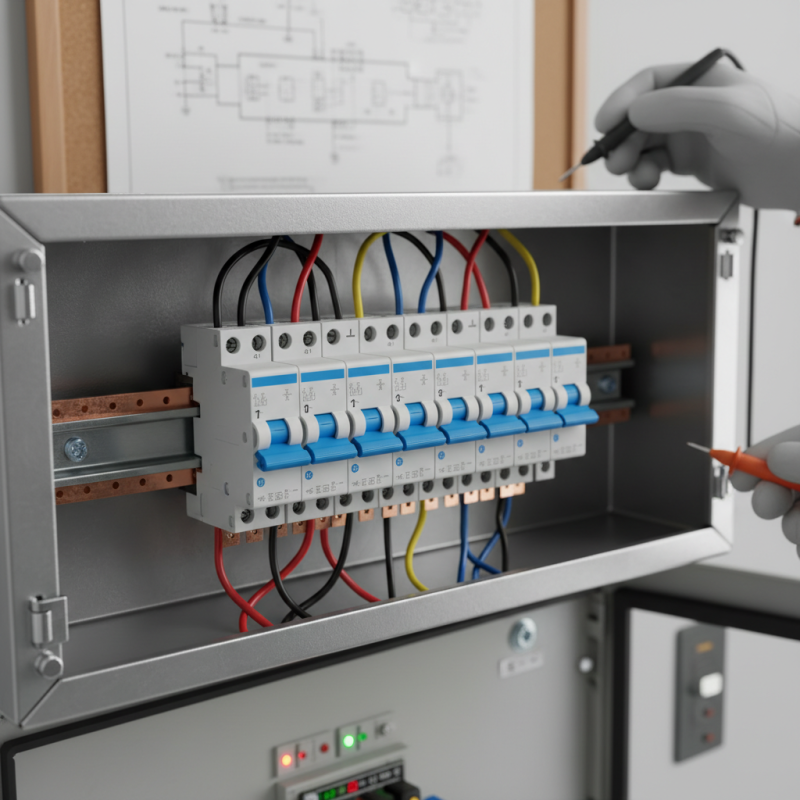
Miniature circuit breakers (MCBs) play a crucial role in electrical systems. They protect circuits from overloads and short circuits. According to the International Electrotechnical Commission (IEC), MCBs can reduce the risk of electrical fires, making them vital for safety. They are designed to trip at specific current levels, which vary based on their ratings.
When selecting an MCB, consider key factors like current rating and voltage rating. Most MCBs range from 0.5 A to 125 A. A poor choice can lead to inefficiencies. For example, an undersized MCB may trip too often, disrupting operations. On the other hand, an oversized MCB might not trip during an overload, risking equipment damage.
The tripping characteristics of MCBs are also critical. Type B breakers trip between 3 to 5 times the rated current. They suit residential applications. Type C and D models, however, trip at higher current levels. They are ideal for industrial settings. Balancing safety with performance requires careful thought. Not every installation can have a one-size-fits-all solution. Each environment demands specific considerations, reminding us that MCB selection is often complex.
Key Specifications to Consider When Choosing a Miniature Circuit Breaker
When selecting a miniature circuit breaker (MCB), several key specifications demand attention. The rated current is crucial. It determines how much current the MCB can handle without tripping. Reports indicate that up to 70% of circuit failures could be linked to incorrect current ratings. Therefore, accurately assessing your electrical load is essential.
Another critical specification is the breaking capacity. This refers to the maximum short-circuit current the MCB can interrupt. MCBs vary in ratings, often from 3kA to 15kA. Choosing one with insufficient breaking capacity can lead to dangerous failures. Statistics reveal that about 60% of electrical fires stem from poorly rated breakers.
The operating characteristic is also vital. There are general types like B, C, and D, each designed for different applications. A type B is best for residential use, while type C suits commercial settings with equipment that has inrush currents. An expert report highlights that improper type selection can result in frequent tripping, causing inconvenience and potential safety hazards. Be mindful of these specifications when choosing your MCB, as neglecting them can lead to regrets later.
Evaluating Load Requirements: Amperage and Voltage Ratings
When choosing a miniature circuit breaker (MCB), understanding load requirements is crucial. Start with amperage ratings. This indicates the maximum current the MCB can handle. For a residential setup, 10 to 16 amps is common for lighting circuits. Heavier appliances may need 20-32 amps. It’s important to calculate your total load. Exceeding the rated amperage can cause trips or even failures.
Voltage ratings also play a significant role. Most home circuits operate at 120/240 volts. However, industrial setups may require higher ratings. MCBs are rated based on their capacity to interrupt fault currents. Select an MCB that matches your system’s voltage to ensure safety.
It’s essential to reflect on your specific needs. Overlooking either amperage or voltage can lead to malfunction. Always consider potential future loads, like new appliances or expansions. Be cautious with your choices. Sometimes, oversizing your MCB might seem tempting but can lead to poor safety measures. This decision requires careful thought and planning, as the right fit is essential for safety and efficiency.
Miniature Circuit Breaker Load Requirements
This chart represents the number of miniature circuit breakers used according to different amperage ratings. Selecting the appropriate amperage is crucial for ensuring the safety and efficiency of your electrical system.
Comparing Different Types of Miniature Circuit Breakers: B, C, and D Curves
When selecting a miniature circuit breaker (MCB), understanding the different curves is essential. MCBs are classified into several types based on their current ratings and tripping characteristics. The most common are B, C, and D curves. Each curve is designed for specific applications and load types.
The B curve is ideal for residential and light commercial use. It trips between 3 to 5 times the rated current, making it suitable for most general lighting and power circuits. In contrast, the C curve is better for inductive loads, like motors. It trips at a range of 5 to 10 times the rated current. This makes it a preferred choice for commercial and industrial settings. The D curve trips at 10 to 15 times the rated current, useful for equipment with high inrush currents.
Tips to remember: Always check the load type. Consider the starting current of motors when choosing between C and D curves. For lighter, general use, the B curve may suffice.
It's easy to overlook the specific application needs. Miscalculating your choice could lead to unnecessary trips or, worse, fire hazards. Always consult data from industry reports. A 2020 study highlighted that about 20% of electrical failures stem from using inappropriate MCB types. Picking the right MCB is critical for safety and efficiency.
Safety Standards and Certifications for Miniature Circuit Breakers in the Market
When selecting a miniature circuit breaker (MCB), safety standards are paramount. MCBs must comply with specific norms to ensure reliability. Look for certifications from recognized institutions. These symbols often appear on the devices themselves. They indicate that the product has undergone rigorous testing.
Different countries have different safety requirements. For instance, some regions require compliance with IEC standards, while others may mandate local certifications. Familiarize yourself with the applicable standards in your area. Understanding these can sometimes be overwhelming. Yet, it’s crucial for ensuring safety.
Another detail to consider is the manufacturer’s reputation. Not all brands maintain consistent quality. Some may cut corners in production. Researching reviews can reveal potential red flags. It's essential to choose manufacturers known for quality and safety. This may take additional time but leads to better protection in the long run.
