How to Choose the Right Micro Switch for Your Project?
Choosing the right micro switch is crucial for the success of any project. These tiny devices play a significant role in various applications, from automotive to industrial controls. According to a report by Research and Markets, the global micro switch market is expected to grow significantly in the next five years. This growth highlights the increasing reliance on micro switches in modern technology.
John Smith, a renowned expert in the micro switch industry, emphasizes, “Selecting the appropriate micro switch can make or break your project.” This statement reflects the importance of understanding specifications, durability, and performance. Not all micro switches are created equal. A poorly chosen switch can lead to failures or inefficiencies in your system, which may cost time and resources.
Evaluating design requirements is essential. Consider factors such as operating environment and load specifications. Sometimes, the available options can be overwhelming. In such cases, reflecting on specific needs can provide clarity. Ultimately, a thoughtful approach to selecting micro switches can significantly enhance reliability in your projects.
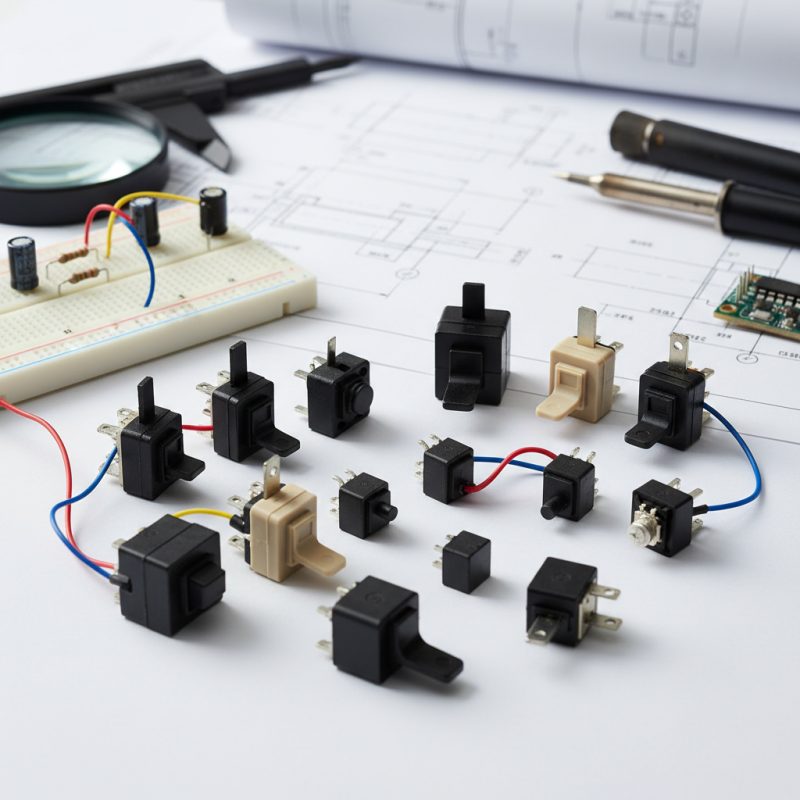
Understanding Micro Switches and Their Applications
Micro switches are small devices that play a big role in various applications. They are commonly used in appliances, automotive systems, and industrial machines. Their primary function is to detect physical presence or movement. For example, they can trigger an action when a button is pressed. This simple mechanism is critical for ensuring safety and functionality in many devices.
Understanding how micro switches work is essential. They typically have a lever or button that activates an electrical circuit. The physical force applied to the switch causes the contacts to close or open. This mechanism can fail if not properly selected or installed. Factors like size, actuation force, and environmental conditions affect performance. A poorly chosen switch may lead to malfunctions, which can be frustrating.
Different projects require different specifications. Consider a situation where a switch is too sensitive. It may trigger unintentionally, causing operational issues. On the other hand, a switch that requires excessive force can hinder user experience. Evaluating these details often leads to better outcomes. It’s essential to test switches in real-world conditions. This approach keeps projects on track and minimizes errors.
Key Factors to Consider When Choosing a Micro Switch
When choosing a micro switch for a project, several key factors should be at the forefront. One crucial element is the switch's rating, which determines its maximum load. Reports indicate that over 75% of equipment failures stem from inappropriate component ratings. Picking a switch that meets or exceeds your current requirements can be vital. For example, frequent cycling applications may need higher ratings, while low-energy devices may not.
The environmental conditions where the switch will be used also matter. Factors like temperature, humidity, and exposure to dust can affect performance. According to market research, about 40% of electronics failures are due to environmental factors. Ensure the micro switch is rated for the specific conditions of your application. A switch with inadequate ingress protection can fail prematurely, leading to unexpected downtime.
Actuation force is another factor worth considering. The right force enhances user experience and device reliability. A balance must be struck; too light may cause accidental activation, while too heavy can strain user interactions. Many engineers report difficulties in finding switches that meet their exact specifications. This can lead to compromises that may not serve the long-term goals of the project.
Types of Micro Switches: Comparison and Selection Guide
Choosing the right micro switch is crucial for your project. There are various types available. Each has specific features. Understanding these can help you make better choices.
Tactile micro switches are ideal for user interface applications. They provide good feedback when pressed. Another option is the snap-action switch. It offers rapid operation. This is beneficial for applications requiring quick response times. However, these switches may not always be the best fit. It depends on your specific needs.
Consider environmental conditions as well. Some micro switches are designed for harsh environments. Others are better for indoor use. Researching these aspects can prevent future issues. It might seem straightforward, but small details matter. Keep in mind that each project has unique requirements. Selecting the wrong type can lead to malfunctions. Think carefully about your choice.
Evaluating Specifications: Ratings and Performance Criteria
When choosing a micro switch, it’s crucial to examine its specifications closely. Start with the voltage and current ratings. They dictate where and how the switch can be used. A switch rated for 5A at 240V may fail if used in a higher capacity setup. Understand your project requirements. Often, designs change; what fits today may not fit tomorrow.
Next, look at the performance criteria. Response time is vital in applications like robotics. A slow switch could lead to delays. Consider the actuation force as well. Some designs need a light touch, while others require more pressure. It can impact user experience. Additionally, the lifecycle of a switch matters. A high cycle rating indicates durability, but not all switches are created equal.
Don’t forget the environment. Humidity and temperature can influence functionality. In harsh conditions, certain materials may corrode faster. Do your homework on these factors. A switch that looks perfect on paper may not perform well in reality. Choose wisely to avoid potential setbacks in your project.
Best Practices for Integrating Micro Switches into Your Project
Integrating micro switches into your project requires careful consideration. Select switches that match your voltage and current needs. Look for reliable actuation mechanisms. Not every switch operates smoothly under varying conditions. Testing in real-world scenarios is crucial.
Placement of the micro switch is equally important. Ensure it aligns with moving parts. A poor placement can lead to malfunctions. For instance, a switch too close to a motor can trigger unintended actions. Check for physical obstructions that might interfere.
When wiring, use the correct gauge to prevent overheating. Short circuits can occur if the wires are too thin. Pay attention to how the switch interacts with your other components. This often requires troubleshooting and reevaluating your design multiple times. A flexible approach to modifications helps improve the overall project.
