How to Choose the Right LED Light Wiring Harness for Your Needs?
Choosing the right LED light wiring harness can be a challenge. With various types available, understanding your needs is crucial. Industry expert John Smith, a leading figure in automotive lighting solutions, once stated, "The right wiring harness can make or break your LED experience." His insight highlights the importance of selecting the appropriate accessory.
When considering an LED light wiring harness, compatibility is key. Different vehicles and lighting systems require specific wiring configurations. This can lead to confusion, especially for those unfamiliar with automotive electrical systems. Additionally, quality matters. A poorly made harness may not withstand harsh conditions, leading to failures.
Budget constraints can also complicate decision-making. While it may be tempting to choose the cheapest option, this can result in reliability issues. Researching reputable brands can save time and disappointment in the long run. Reflecting on these factors will help ensure you choose a wiring harness that meets your needs effectively.
Understanding LED Light Wiring Harness Basics
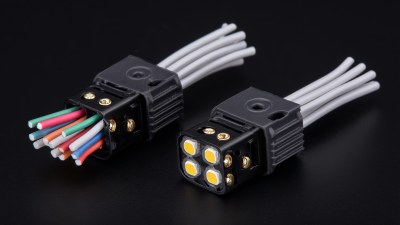
When choosing an LED light wiring harness, understanding the basics is crucial. A wiring harness connects your LED lights to the power source, enabling efficient operation. Typically, it consists of wires, connectors, and terminal ends, designed to withstand harsh conditions. You’ll find various types of harnesses suitable for different applications—off-road vehicles, marine use, or home lighting.
Selecting the right harness requires attention to details like gauge size and waterproof ratings. A thicker wire gauge means higher current capacity but may be less flexible. Waterproof connectors are essential if the lights will be exposed to moisture. It’s vital to check compatibility with your LED lights. Misfitting can lead to failures or, worse, hazards.
Sometimes, people overlook the importance of quality over price. Cheap options may seem appealing but often compromise reliability. It’s not uncommon to face issues with poor connections or damaged wires. Reading reviews and seeking expert opinions can guide your decision. Always plan for future needs, as upgrading lights or relocating might become necessary. The right harness can save you from unnecessary stress down the line.
Identifying Your Specific Lighting Needs and Applications
When selecting an LED light wiring harness, understanding your specific lighting needs is vital. Are you upgrading your vehicle's lights for better visibility, or are you installing lights for a landscaping project? Your application defines the requirements. Take into account the wattage of the lights you plan to use. A higher wattage demands a more robust harness to safely handle the load. Certain applications may also require waterproof components for outdoor use.
Consider the length of the wiring harness as well. A longer harness may be necessary for larger projects, but too much excess can lead to messy installations. Look for connectors and terminals designed for durability. These details matter. While pricing can be appealing, cheaper options may lack longevity. Research product specifications to ensure reliability and compatibility. Lastly, note that installation can sometimes be tricky. Ensuring a secure fit and proper connections often requires patience and a bit of practice. Reflect on your installation skills before diving in.
Evaluating Compatibility with Existing Electrical Systems
When considering an LED light wiring harness, compatibility with existing electrical systems is crucial. Many systems require specific voltage and current ratings. According to a report by the Lighting Research Center, mismatched components can lead to failure or inefficiency. It's essential to check the voltage requirements for your particular setup, as most LED lights operate within a range of 12 to 24 volts. A harness incompatible with your system may not only fail to power the lights but could also cause damage.
Additionally, understanding the connector types can greatly impact your selection. Many harnesses come with standardized connectors, but variations exist. The Society of Automotive Engineers reports that using incorrect connectors may lead to poor connections and potential short circuits. Assessing your current setup prevents these issues. When evaluating compatibility, consider the gauge of the wiring as well. A thinner wire may not handle the required current properly—leading to overheating and reduced lifespan.
The environment where the harness will be installed plays a role too. In exposed locations, a waterproof rating is beneficial. Selecting a harness based on these factors helps avoid problems down the line. Observing these technical details can sometimes be overlooked but is essential for maintaining reliability and safety in your lighting projects.
Comparing Different Types of LED Light Wiring Harnesses
Choosing the right LED light wiring harness can be challenging. There are various types available, each with unique features. Understanding these features helps in making an informed decision.
Connector types are crucial in a wiring harness. Some use standard connectors, while others may have specialized ones. Ensure compatibility with your lights. If not, you might face installation issues. Different lengths can also impact your setup. Measure your space accurately to avoid purchasing an unsuitable length.
Another consideration is the gauge of the wire. Thicker wires handle more power but can be less flexible. If your project requires mobility, you may want to prioritize flexibility over gauge. Detachable sections can assist with adjustments. However, they may introduce points of failure that require inspection. Choose a harness that aligns with both your needs and the environment where it will be used.
Considering Installation Requirements and Ease of Use
When choosing an LED light wiring harness, installation requirements can significantly impact your decision. A well-designed harness should simplify the setup process. According to a 2022 industry report, nearly 70% of users prefer harnesses that come with clear instructions. This statistic highlights the importance of ease of use when selecting your lighting components.
Consider wire lengths and connector types when selecting your harness. A mismatch here can lead to installation headaches. Many users find themselves cutting wires or using tape to make connections. These makeshift solutions can be temporary at best. Always opt for a harness that matches your vehicle's specifications. This not only ensures compatibility but also enhances safety.
Be mindful of the environment where the installation will occur. Factors like humidity and temperature can affect the performance of your LED lights. Proper insulation is crucial. Over 55% of LED failures are linked to poor wiring techniques. Using heat-resistant materials can mitigate these risks. Always prioritize a quality installation over quick fixes to ensure long-lasting performance.
How to Choose the Right LED Light Wiring Harness for Your Needs? - Considering Installation Requirements and Ease of Use
| Harness Type |
Voltage |
Amp Rating |
Length |
Installation Difficulty |
Ease of Use |
| Standard LED Harness |
12V |
20A |
5 ft |
Easy |
User-friendly |
| Heavy-Duty Harness |
12V |
40A |
10 ft |
Moderate |
Medium |
| Weatherproof Harness |
12V |
25A |
7 ft |
Easy |
User-friendly |
| Splitter Harness |
12V |
15A |
3 ft |
Easy |
Simple |