How to Choose the Best Wire LED Lights for Your Needs?
When selecting the best wire LED lights, understanding your needs is crucial. John Smith, an expert in interior lighting, once stated, “The right lighting can transform a space.” Wire LED lights offer versatility and energy efficiency, making them a popular choice for many applications. However, not all options are equally suitable for every situation.
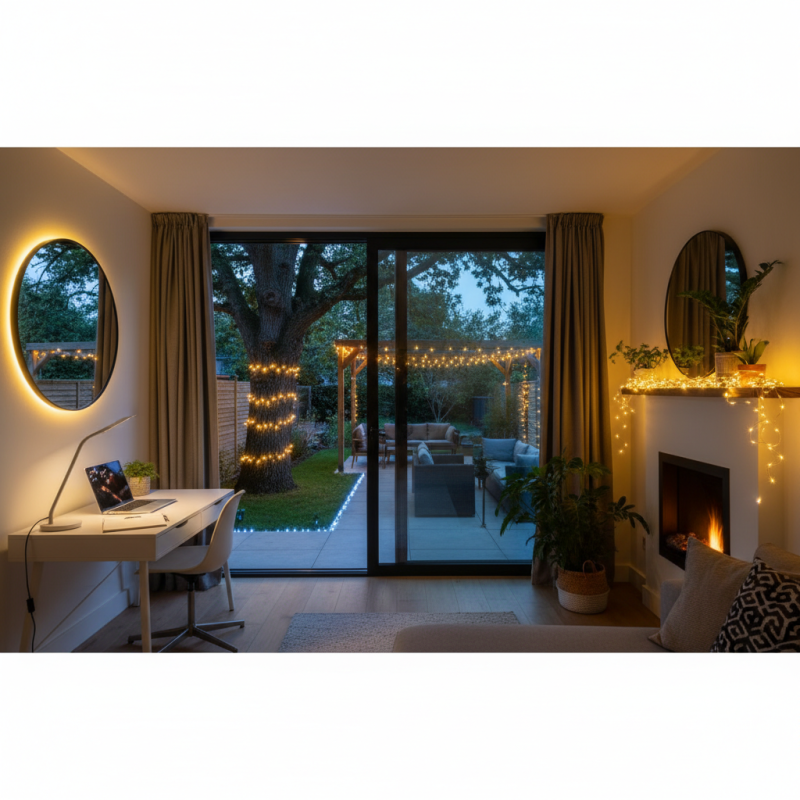
Choosing the perfect wire LED lights requires careful consideration. Look for features that match your specific requirements, such as brightness, flexibility, and color temperature. For instance, a warm white hue can create a cozy atmosphere in living areas, while cool white is great for task lighting in workspaces. The right choice can greatly enhance your environment.
It’s important to consider installation as well. Some wire LED lights may be easy to set up, while others could require professional help. This adds a layer of complexity. Reflect on where you plan to use them, from indoor decorations to outdoor lighting. Your decision impacts not just aesthetics but also functionality. Aim for a balance that suits your unique style and practical needs.
Understanding Different Types of Wire LED Lights Available in the Market
When choosing wire LED lights, knowing the types available is essential. There are various options on the market, each designed for specific uses. For instance, battery-operated wire lights are versatile and portable. They are great for temporary setups like parties or seasonal decorations. Their lack of cords makes them easy to use in any location.
Another popular option is plug-in wire LED lights. These are ideal for long-term installations. They provide consistent brightness and are often more energy-efficient. Many people overlook the importance of light temperature. Warmer lights create a cozy atmosphere, while cooler lights can enhance modern settings. Choosing the right color can be more complex than expected.
Different wire designs also impact their utility. Some wires are flexible, allowing users to shape them creatively. Others are rigid, providing stability but less versatility. Mistakes in selection can lead to disappointing outcomes. It’s crucial to reflect on your intended use and ambience. What seems appealing at first might not suit your long-term needs. Taking time to explore options can improve your overall satisfaction with your lighting choice.
Evaluating Power Source Options for Wire LED Lights
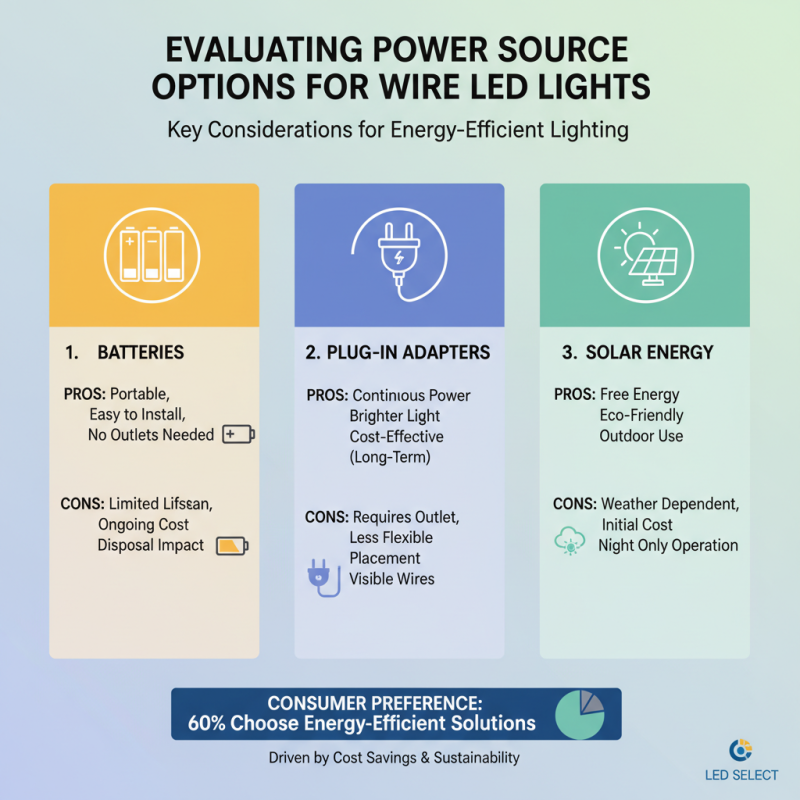
When selecting wire LED lights, evaluating power source options is crucial. LED lights can be powered by batteries, plug-in adapters, or solar energy. Each power source has unique benefits and drawbacks that can affect your choice. Research indicates that about 60% of consumers prefer energy-efficient lighting solutions due to cost savings and sustainability.
Battery-powered wire LEDs offer flexibility. They are portable and can be installed in hard-to-reach areas. However, they often require regular battery replacements, which generates waste and increases long-term costs. According to a recent industry report, battery-operated solutions account for 25% of the LED market.
On the other hand, plug-in options provide a continuous power supply, ensuring consistent brightness. Yet, they can limit placement options due to proximity to outlets. Recent studies show that roughly 40% of users opt for plug-in lights, valuing reliability over convenience. Solar-powered lights are eco-friendly and reduce electricity costs. However, their efficiency depends on sunlight exposure, making them less reliable in cloudy climates. Understanding these dynamics can help consumers align their power source choice with their specific needs and environmental goals.
Assessing Brightness and Color Temperature for Your Space
When selecting wire LED lights, brightness and color temperature matter greatly. Brightness is measured in lumens. A higher lumen count means a brighter light. If your space is large, you may require higher lumens. For cozy areas, lower brightness can create a warm atmosphere. Assess how the light will be used. Task lighting needs more lumens, while ambient lighting can be softer.
Color temperature is expressed in Kelvin. Warmer tones, around 2700K, give a cozy, inviting feel. Cooler tones, close to 5000K, resemble daylight and can energize spaces. Consider the mood you wish to create. A bedroom may benefit from soft, warm lighting. Conversely, a workshop might need bright, cool lighting. Knowing the desired effect is essential.
Sometimes, personal preference may clash with practicality. It’s not easy to find the perfect balance. Test different options to see what fits your needs best. Visiting stores can help you gauge brightness and color temperature firsthand. Don’t forget that some lights appear different when installed. Take your time and reflect on what truly works for your space.
Brightness and Color Temperature of Wire LED Lights
This chart illustrates the brightness (in lumens) of different color temperatures available for wire LED lights. As the color temperature increases, the brightness is generally higher, providing insights into how to select the right LED lights for your needs.
Considering Length and Flexibility for Your Installation Needs
When selecting wire LED lights, considering length and flexibility is crucial. For various installations, you must measure the required area carefully. Industry reports indicate that nearly 70% of lighting faults arise from improper lengths. Choose lights that can be easily adjusted or shaped to fit specific designs. Customization enhances visual appeal and functionality.
Flexibility is equally important. Many consumers overlook how bends and turns affect light placement. A 2021 industry survey found that flexible wire lights outperform others in ease of installation. They adapt to contours, making intricate designs simpler to execute. Moreover, the right flexibility allows for effortless storage and future reuse.
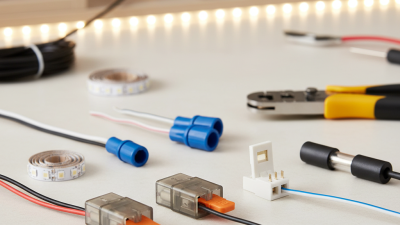
Tips: Always test the lights before final installation. This ensures that adjustments can be made if the initial layout doesn't fit as expected. For longer runs, consider using connectors for a seamless look. If you face tight spaces, choose lights with smaller dimensions; they fit better in confined areas and provide ample illumination.
Examining Weather Resistance and Durability of Wire LED Lights
When selecting wire LED lights, weather resistance and durability are key factors. These lights often face various environmental conditions. Choosing a product that can withstand moisture and temperature fluctuations is essential. According to a report by the Lighting Research Center, around 30% of LED failures relate to exposure to harsh weather. This data emphasizes the need for thoughtful selection.
Look for wire LED lights with high IP ratings. An IP rating of 65 or higher indicates excellent protection against dust and water. Additionally, materials matter. Many durable options use polycarbonate covers, which resist impact and UV damage. A study from the National Electrical Manufacturers Association shows that lights with these features last 25% longer than those without them.
Durability also involves understanding the expected lifespan of the LEDs. Some wire lights promise up to 50,000 hours of illumination. However, real-world performance may differ. Regular maintenance can help identify early signs of wear or damage. Environmental tests indicate that products exposed to saltwater can degrade quickly if not treated properly. Constructing a habit of monitoring your lights can ensure optimal performance and extend their lifespan.