Why Choose Manipulators Robot for Your Automation Needs?
In today's fast-evolving industrial landscape, the demand for automation is unprecedented. Many businesses face increasing pressure to enhance efficiency. According to a report by MarketsandMarkets, the global robotics market is expected to grow from $45.5 billion in 2020 to $73.1 billion by 2026. A significant part of this growth will stem from the adoption of Manipulators Robots. These robots streamline processes, allowing companies to automate repetitive tasks effectively.
Dr. Sarah Jenkins, an expert in robotics and automation, emphasizes the importance of these systems: "Cost-efficient, versatile, and precise, Manipulators Robots are game-changers in modern manufacturing." This sentiment echoes the experiences of numerous industries adopting this technology. Manipulators Robots can handle varied tasks, from assembly to packaging. They contribute to safety by taking over hazardous jobs, minimizing human error.
However, some companies still hesitate to implement this technology. Concerns about integration and operational challenges linger. It's vital to address these issues to harness the full potential of Manipulators Robots. Embracing change is essential for maintaining competitiveness in a swiftly changing market.
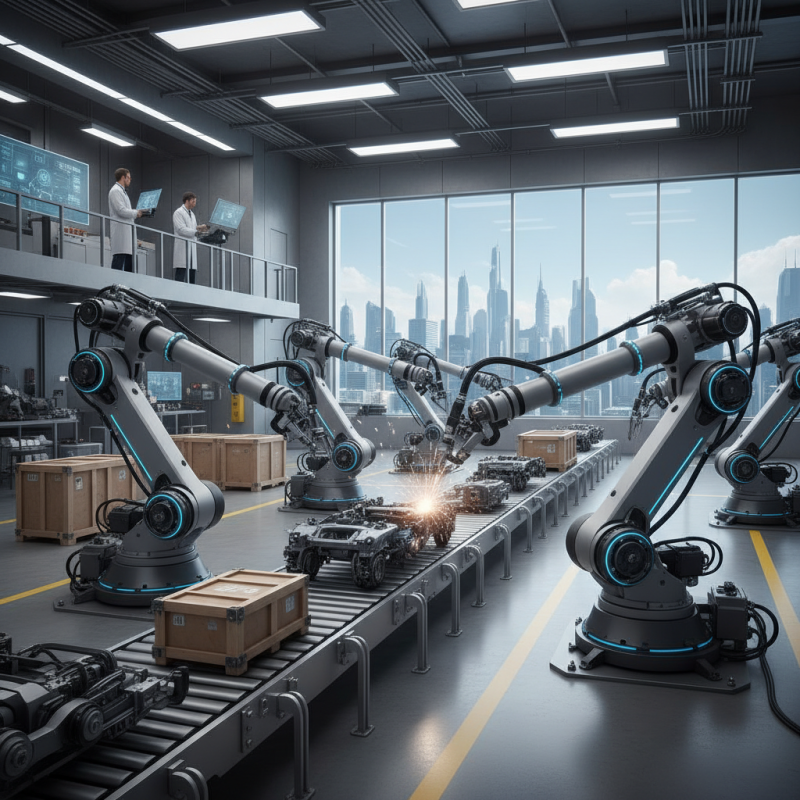
Advantages of Manipulator Robots in Automated Processes
Manipulator robots have become indispensable in modern automation. Their precision and flexibility make them suitable for various tasks. From assembly to packaging, these robots enhance efficiency in ways that human labor cannot match. The quick adaptability of manipulators allows them to switch tasks without significant downtime.
One of the key advantages of manipulator robots is their ability to work in hazardous environments. They can perform tasks that pose risks to human workers. For instance, in industries like manufacturing and pharmaceuticals, manipulators handle toxic materials or operate heavy machinery safely. This capability reduces workplace injuries and ensures smoother operations.
Moreover, they offer consistency in performance. Unlike humans, robots do not tire. They maintain the same level of productivity throughout their shifts. This reliability can lead to cost savings over time. Businesses must still reflect on the initial investment versus long-term gains. Manipulator robots may require upfront costs and training, but the benefits often outweigh these challenges. Adopting this technology requires assessing specific needs and long-term goals.
Key Features of Manipulator Robots for Industrial Applications
Manipulator robots play a crucial role in modern industrial automation. These robots are designed for precision and efficiency, crucial for tasks like assembly and material handling. Research from the International Federation of Robotics indicates that the use of industrial robots could boost productivity by up to 30%. This signifies their importance in competitive markets.
One key feature of manipulator robots is their dexterity. They can perform complex movements that mimic the human hand's actions. Reports highlight that collaborative robots, or cobots, can work alongside humans, enhancing flexibility on production lines. In fact, a survey found that 52% of manufacturers are integrating cobots into their workflows for improved safety and efficiency.
Another significant aspect is the adaptability of these robots. They can be programmed for various tasks without the need for extensive reconfiguration. A study by McKinsey & Company projected that automation could reduce operational costs by as much as 20-30% in certain industries. However, implementing these technologies requires careful consideration. Factors such as workforce training and system integration can present challenges. These aspects need reflection, as they are critical to the successful deployment of manipulator robots in industrial settings.
Why Choose Manipulators Robot for Your Automation Needs? - Key Features of Manipulator Robots for Industrial Applications
| Feature | Description | Benefit |
| Precision Movement | Manipulator robots can achieve high precision movements for handling delicate tasks. | Improves product quality and reduces waste. |
| Flexibility | These robots can be programmed to perform a variety of tasks in different environments. | Adapts easily to changes in production needs. |
| Safety Features | Equipped with sensors and safety mechanisms to prevent accidents. | Enhances workplace safety and compliance with regulations. |
| Increased Productivity | Can operate continuously without breaks, increasing throughput. | Boosts overall efficiency and reduces labor costs. |
| Integration Capability | Easily integrates with existing automation systems and software. | Streamlines operations and reduces setup time. |
| Cost-effective | Reduces labor costs and minimizes operational errors. | Offers a high ROI in the long run. |
Cost-Effectiveness of Implementing Manipulator Robots
Manipulator robots are becoming essential in automation. Their cost-effectiveness makes them attractive for various industries. Businesses can save on labor costs while improving productivity. A well-implemented manipulator robot can streamline processes. This leads to higher efficiency and better resource allocation.
Tips: Consider the initial investment. Research shows that, over time, operational savings outweigh setup costs. Analyze your production needs. Identify tasks that are repetitive or labor-intensive.
It’s important to be mindful of integration challenges. Some companies struggle to adapt existing workflows. Training employees to work alongside robots can take time. Also, ensure reliable maintenance and support for these systems. A lack of maintenance can lead to increased downtime and repair costs, which can negate your savings.
Versatility of Manipulator Robots Across Various Industries
Manipulator robots have become essential tools in various industries due to their remarkable versatility. According to the International Federation of Robotics, the global market for industrial robots is projected to surpass $91 billion by 2025. This growth is driven by the increasing demand for automation across sectors like manufacturing, healthcare, and logistics.
In manufacturing, manipulator robots are used for assembly, welding, and quality inspection. These robots can work around the clock, improving efficiency. A 2021 report indicated that companies using automation have seen productivity increases of up to 30%. In logistics, manipulator robots streamline warehouse operations by rapidly moving and sorting goods. They can handle packages weighing up to 150 kg, drastically reducing manual labor.
However, the transition to automation isn't without challenges. Many companies struggle with the initial investment or fear job displacement. It's crucial to approach this transition thoughtfully. On the flip side, a well-implemented manipulation system can lead to new job creation, particularly in robot maintenance and oversight. Thus, exploring the potential of manipulator robots requires balancing innovation with careful workforce planning.
Future Trends in Manipulator Robot Technology and Automation
The landscape of manipulator robots is rapidly evolving, driven by advancements in technology and automation needs. According to a report by Markets and Markets, the global industrial robotics market is projected to reach $70 billion by 2025. This growth is propelled by the integration of artificial intelligence and machine learning into robotic systems, enhancing their adaptability and performance.
Future manipulator robots are expected to improve in precision and versatility. Current models can manage various tasks, from assembly to complex surgeries. However, optimizations are needed for collaborative tasks alongside human operators. The World Economic Forum highlights that, while automation can increase productivity by 20%, it raises concerns about the potential impact on jobs. Balancing efficiency with human employment remains a challenge.
Moreover, the convergence of robotics and the Internet of Things (IoT) will redefine automation strategies. Real-time data analysis will allow robots to make autonomous decisions, boosting operational efficiency. However, reliance on technology raises questions about security and data integrity. Addressing these concerns is critical as we embrace this new technological frontier. Ensuring reliability in manipulator robots is paramount to their success in various industries.
