How to Choose the Best Portable Surgical Light at Canton Fair 2026?
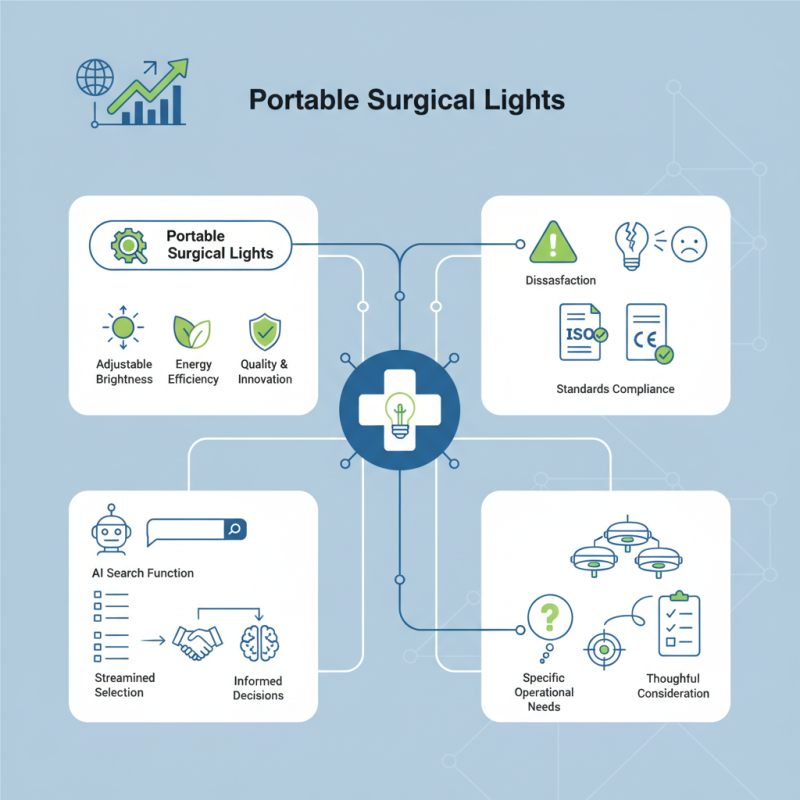
In the rapidly evolving field of medical equipment, choosing the right Portable Surgical Light is crucial. The global surgical lights market is expected to reach approximately USD 520 million by 2027, driven by advancements in healthcare technologies. With the emphasis on quality and innovation at the 2026 Canton Fair, buyers must navigate an extensive range of options.
Modern portable surgical lights offer features such as adjustable brightness and energy efficiency. However, not all lights are created equal. Reports indicate that 40% of healthcare providers are dissatisfied with their current lighting solutions. Understanding the technical specifications and compliance with standards like ISO and CE is vital to avoid common pitfalls.
The introduction of AI search functions at the Canton Fair will streamline the selection process. Buyers can quickly identify qualified suppliers, enhancing their ability to make informed decisions. Still, with myriad choices available, ensuring the selected Portable Surgical Light meets specific operational needs remains a challenge. Thoughtful consideration and research are essential for optimal outcomes.
Understanding the Importance of Portable Surgical Lights in Healthcare
In modern healthcare, portable surgical lights play a vital role. These lights provide the necessary illumination for various procedures. Their mobility allows healthcare professionals to quickly reposition them within surgical rooms. This adaptability is crucial during emergency situations. It ensures optimal lighting wherever needed. A well-lit environment enhances visibility and accuracy for surgeons.
However, not all portable lights are created equal. Some may lack sufficient brightness. Others might not offer adjustable intensity. This can affect the outcome of surgical procedures. It’s essential to evaluate the quality of the light before purchasing. Check the battery life, weight, and ease of transport. Users must also consider the light's durability. Portable lights must withstand the rigors of daily use.
Also, the design plays a role. Bulky or heavy lights can hinder mobility. Streams of light need to focus precisely where surgeons require it. Sometimes, the balance between portability and power leads to compromises. This is where careful consideration comes into play. A well-informed decision can significantly impact patient care and surgical success.
How to Choose the Best Portable Surgical Light at Canton Fair 2026? - Understanding the Importance of Portable Surgical Lights in Healthcare
| Feature | Importance | Considerations | Typical Price Range |
| Light Intensity | Essential for visibility during procedures | Adjustability and lumens rating | $1,000 - $5,000 |
| Portability | Ease of transport within various facilities | Weight and carrying options | $800 - $3,500 |
| Battery Life | Important for prolonged use without electrical access | Duration, recharge time, and replaceability | $500 - $2,000 |
| LED Technology | Efficiency and longevity compared to traditional bulbs | Quality, color temperature and maintenance costs | $1,000 - $4,500 |
| 360-Degree Rotation | Flexibility in positioning for various procedures | Ease of adjustment and stability | $900 - $3,200 |
Key Features to Consider When Selecting a Portable Surgical Light
When selecting a portable surgical light, various features deserve attention. Brightness is paramount. A light that can adjust intensity is crucial for different procedures. Look for models that offer a range of settings. This flexibility ensures optimal visibility in varying surgical settings.
Portability matters too. The light should be easy to maneuver. Consider its weight and the design of the stand. A cumbersome model can hinder your workflow. Check if it has a battery option. This allows usage in areas without direct power supply.
Another aspect is color temperature. A light with adjustable color can reduce glare. It helps prevent eye strain during extended surgeries. Take note of the warranty length as well. A longer warranty reflects confidence in the product's durability. Reflect on your needs; not every feature may be necessary for your specific applications.
Evaluating Different Types of Portable Surgical Lights Available
When evaluating portable surgical lights, it’s essential to consider various types available. LED lights are popular due to their energy efficiency and long lifespan. They produce less heat, keeping the surgical area comfortable. However, they can be more expensive, which is a factor for budget-conscious buyers.
Halogen lights provide bright illumination and are often more affordable. They have a shorter lifespan and generate more heat. This can be uncomfortable in certain situations. Alternatively, some lights offer adjustable intensity and focus. This flexibility enhances visibility but may complicate user operation.
Battery life is another critical aspect. Some lights last several hours, while others drain quickly. A quick battery change can disrupt procedures. Look for lights with clear battery indicators. Weight and portability also matter. A lightweight design is easier to move, but some features might be sacrificed. It’s important to find a balance between portability and functionality when choosing a portable surgical light.
Assessing the Quality and Durability of Surgical Lighting Products
When selecting portable surgical lights, quality and durability are paramount. High-quality lights are essential for precise illumination during procedures. Pay attention to the materials used in the construction. Aluminum housings are often more durable than plastic. Metal components can withstand frequent use and accidental drops.
Testing the brightness level is crucial. Look for lights that offer adjustable intensity. A light that is too bright can cause glare, which is problematic. Test it directly at the Canton Fair. Assess its color temperature as well. Lights that mimic natural daylight provide the best visual clarity. This helps surgeons make accurate decisions.
It's also important to check the battery life. A light with a short duration may fail mid-surgery. Consider how easy it is to charge or replace batteries. Look for features that enhance portability, such as lightweight designs or foldable frames. Ensure the light is easy to maneuver. Heavy models can cause frustration during use. Remember to observe if the heat output is manageable. Excessive heat can be detrimental in close proximity to patients.
Tips for Selecting the Right Supplier at Canton Fair 2026
When selecting a supplier at Canton Fair 2026, begin by assessing their reputation. Look for companies with positive reviews and long-term experience. Engage in discussions with them. Ask about their product range and manufacturing processes. Do they prioritize quality? This is crucial for your choice.
Inspect their certifications. Compliance with industry standards is a must. Verify if they provide adequate support for their products. Will they assist you after the purchase? This could be essential for your operational needs. Be cautious; some suppliers may promise more than they can deliver.
Lastly, observe their communication style. Are they responsive? Quick answers often reflect a professional attitude. Trust your instincts, but keep a critical eye. Sometimes, the most appealing options are not what they seem. Take notes during your conversations. This can help clarify your thoughts after the fair.
