How to Choose the Best Custom LED Lights for Your Space
When it comes to transforming a space, lighting plays a pivotal role in setting the mood and functionality of the environment. Custom LED lights have emerged as a popular choice for homeowners and business owners alike, offering a perfect blend of versatility and efficiency. With an extensive range of styles, colors, and designs available, selecting the best custom LED lights can be an enjoyable yet challenging task.
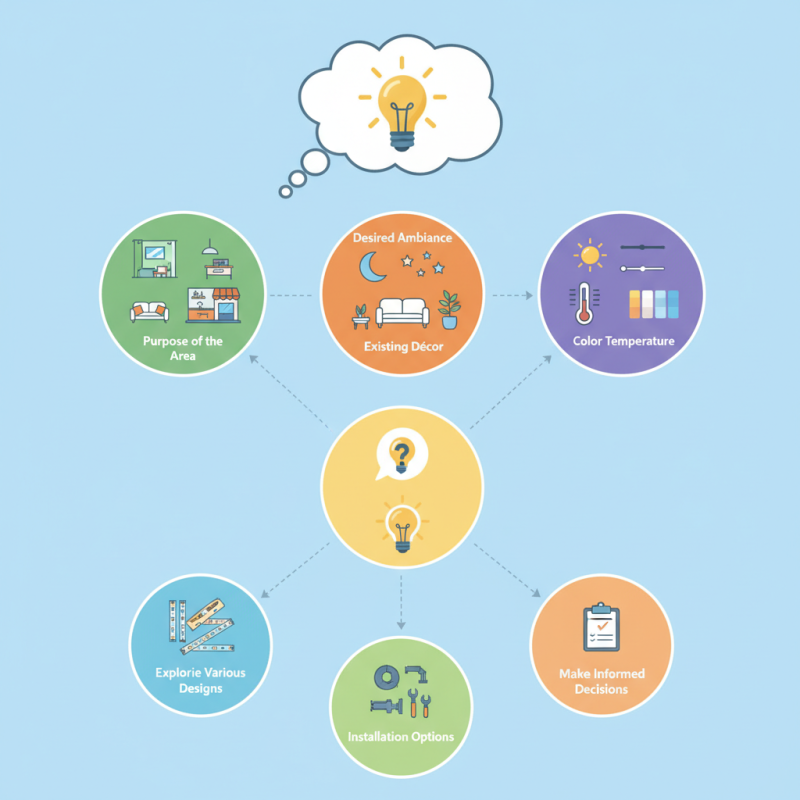
Understanding the unique requirements of your space is crucial when embarking on this journey. Factors such as the purpose of the area, the desired ambiance, and the existing décor can significantly influence your choice. Additionally, custom LED lights offer unparalleled flexibility in tailoring the brightness and color temperature to match your specific preferences, allowing for a unique and personalized lighting experience.
In this guide, we will explore the key considerations to keep in mind when choosing the best custom LED lights for your space. From evaluating your lighting needs to exploring various designs and installation options, we aim to empower you with the knowledge to make informed decisions that will enhance the aesthetic and functionality of your environment.
Understanding Your Lighting Needs and Goals
Understanding your lighting needs and goals is essential when choosing custom LED lights for any space. First, consider the specific functions of the area you aim to illuminate. For example, spaces like kitchens or workstations may require bright, focused light to enhance visibility and productivity, while areas designated for relaxation, such as living rooms or bedrooms, benefit from softer, warmer lighting. Assess the activities that will take place in each space to determine the intensity, color temperature, and distribution of light you will need.
Next, think about the ambiance and mood you wish to create. The color temperature of LED lights can significantly influence the atmosphere of a room. Cooler tones like daylight (5000K-6500K) can energize and stimulate focus, ideal for offices or creative spaces. In contrast, warmer tones (2700K-3000K) can evoke a cozy, inviting feel—perfect for social spaces or bedrooms. Additionally, incorporating dimmable options or color-changing features can provide flexibility, allowing the lighting to adapt to various occasions and preferences. By clearly defining your lighting goals and understanding how different qualities of light affect mood and functionality, you can make informed decisions that enhance your space effectively.
LED Lighting Needs Assessment
This chart illustrates the recommended brightness levels in lumens for different spaces to enhance comfort and functionality. Each room has specific lighting needs to achieve the desired atmosphere and usability.
Exploring Different Types of Custom LED Lights
When it comes to customizing your space with LED lighting, understanding the different types of custom LED lights available is crucial. From flexible LED strips to vibrant panels and unique fixtures, each type serves a specific purpose while allowing you to express your style.
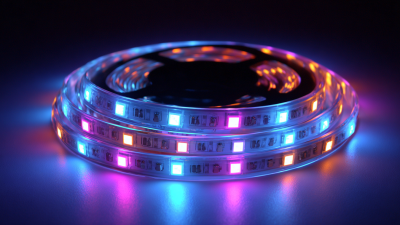
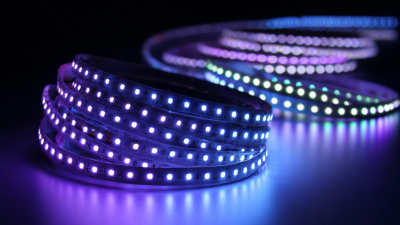
Flexible LED strips are ideal for outlining architectural features or creating ambient lighting. They are easy to install and can be cut to fit any space. On the other hand, LED panels provide a sleek, modern look that can illuminate larger areas effectively, making them perfect for offices or commercial settings.
Consider the following tips when choosing the right custom LED lights for your space. First, assess the intended use of the lighting. Do you need functional lighting for tasks or mood lighting for relaxation? Understanding this will guide your selection.
Secondly, think about the color temperature of the LEDs. Warm white tones create a cozy atmosphere, while cool white tones enhance focus and productivity. Finally, don’t overlook the importance of dimmability; being able to adjust the brightness can significantly impact the ambiance of your space.
With numerous options available, it’s essential to find the right balance between aesthetics and functionality. Explore different shapes and designs that complement your decor, and don’t hesitate to mix types of lighting to achieve a layered effect. Whether for home or workspaces, custom LED lights can transform your environment into an inviting and dynamic area.
Factors to Consider When Choosing LED Light Customizations
When selecting custom LED lights for your space, there are several key factors to consider to ensure you achieve the desired ambiance and functionality. First, evaluate the purpose of the lighting. Are you aiming to create a warm and inviting atmosphere for a living area, or do you need bright, focused lighting for a workspace? Understanding the primary function of the lights will guide you in selecting the appropriate brightness levels, color temperatures, and beam angles.
Another important consideration is the placement and design of the fixtures. The architectural features of the space can greatly influence how light is dispersed and perceived. Consider the size and layout of the room as well as any specific areas that need highlighting. Customization options such as dimming capabilities or adjustable fixtures can enhance flexibility, allowing you to tailor the lighting to different activities and moods throughout the day. Additionally, pay attention to energy efficiency and longevity, as choosing high-quality LED lights can lead to significant savings and reduced maintenance in the long run.
Evaluating Quality and Energy Efficiency in LED Lighting
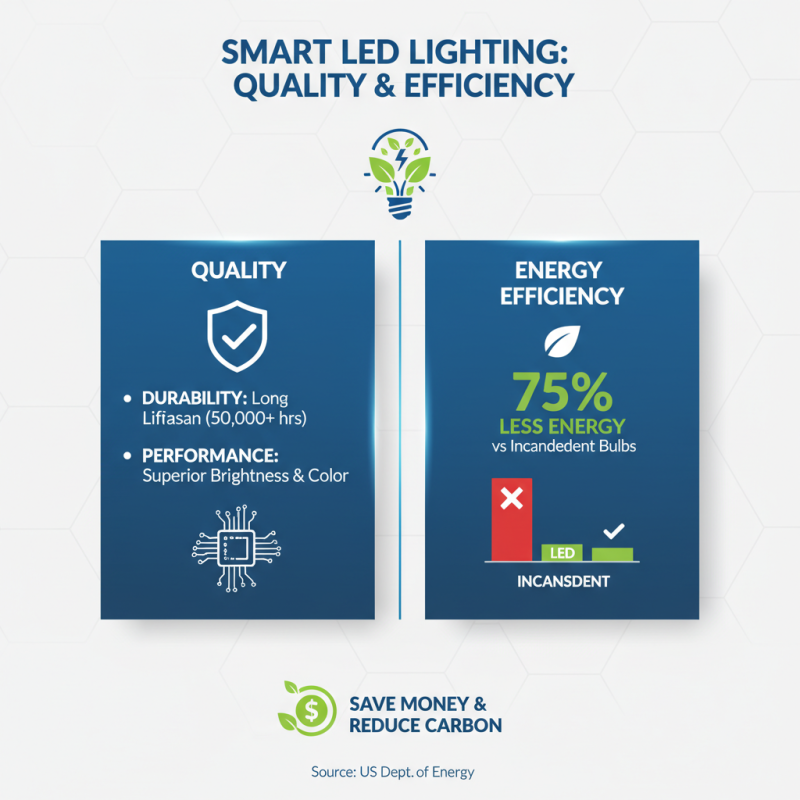
When selecting custom LED lights for your space, evaluating quality and energy efficiency is paramount. According to a report by the U.S. Department of Energy, LED lighting can use up to 75% less energy than traditional incandescent light bulbs, highlighting the efficiency of LEDs in reducing energy consumption. Energy-efficient lighting not only cuts utility costs but also contributes to lower carbon footprints, making it a sustainable choice for homeowners and businesses alike.
Quality in LED lighting is often determined by factors such as lumens per watt, color rendering index (CRI), and the lifespan of the bulbs. Research from the Lighting Research Center indicates that high-quality LEDs typically have a CRI of 90 or above, ensuring that colors appear more vibrant and true to life. Additionally, the longevity of LED lights — often exceeding 25,000 hours — means that investments in quality products can lead to long-term savings and reduced maintenance costs. Therefore, when choosing custom LED solutions, consider these metrics to ensure that both performance and efficiency align with your lighting needs.
Installation and Maintenance Tips for Custom LED Lights
When it comes to installing custom LED lights, proper planning and maintenance are crucial for ensuring long-lasting performance and energy efficiency. According to a report by the U.S. Department of Energy, LED lighting can last up to 25 times longer than traditional incandescent bulbs, significantly reducing the frequency of replacements. To maximize this longevity, it's essential to follow some basic installation guidelines.
Tips: Make sure to choose LED fixtures that are suitable for the specific environment in which they will be installed. For instance, select fixtures with appropriate ingress protection ratings for outdoor use to prevent moisture ingress. Additionally, ensure that the electrical supply is properly configured to match the LED specifications to avoid overheating and potential failure.
Regular maintenance is equally important. Many experts recommend cleaning the fixtures and surrounding areas every few months to prevent dust accumulation, which can affect brightness and efficiency. Furthermore, monitoring the wiring and connections can help identify potential issues before they escalate. Adhering to these simple tips can extend the lifespan of your custom LED lights and keep your space looking bright and welcoming.