Choosing the best Light Beam Lamps in 2026 depends on where the light will go and what it needs to do. A narrow LED spotlight can emphasize a doorway, display, or garden feature, while a linear beam bar spreads light across a wider area. Moving-head fixtures offer adjustable direction and motion, making them useful for events and performance spaces. Each type creates a different effect. The brightest option is not automatically the right one.
A practical comparison should consider beam angle, brightness, color quality, power use, mounting options, and heat management. In a small room, a tightly focused beam may create distracting glare; outdoors, weather resistance and secure installation matter more. Check manufacturer specifications, and compare them with the actual space rather than relying on product photos alone. Look for clear details about dimming, controls, and rated operating conditions. Small details count.
This guide explores the main lamp types and the settings where they tend to work best. It also explains the trade-offs: a compact fixture may be easy to position but cover less area, while a powerful unit can be excessive for everyday use. There is no universal winner. Some product descriptions make beam performance sound simpler than it is; real surfaces, distance, and ambient light can change the result. Treat those claims as a starting point, then choose a fixture that fits your room, task, and budget.
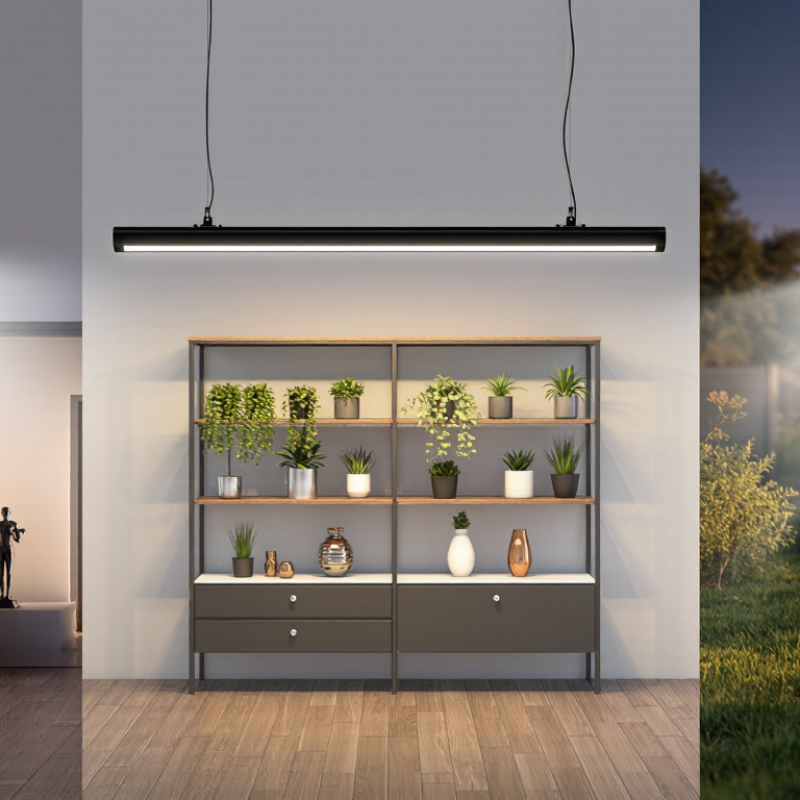
Light beam lamps direct light through a source and optical system. An LED or other light source produces illumination, while a reflector or lens shapes its direction. A narrow beam concentrates light on a small area, such as a display or work surface. A wide beam spreads light across a room. The same lamp can feel bright or dim depending on distance, surface color, and surrounding light. That matters.
These lamps are commonly classified by beam angle, optical design, and intended use. Spot beams create a defined pool of light; flood beams offer broader coverage. Some designs use adjustable optics to change the beam, while fixed-beam models keep one pattern. Classification labels are not always consistent between sellers, so check the stated beam angle and real output details rather than relying on names alone. Also consider glare, heat dissipation, and whether the lamp’s mounting position suits the task.
Tips: Compare beam angle and brightness together. A narrow beam can look intense without lighting much of a space. Test the lamp at its intended distance, and check for sharp shadows or unwanted glare. I still find that room surfaces can change the result more than expected. Use those details to choose a beam pattern, not just a lamp category.
When comparing light beam lamps in 2026, start with the beam angle and the task. A narrow beam can highlight a shelf, but it may leave harsh bright spots on nearby walls. For a workbench, compare illuminance at the actual working distance, not just advertised lumens. A useful check is the lamp’s photometric file, which shows how light spreads across a measured area. Small detail. It matters.
Color quality and efficiency need equal attention. The U.S. Department of Energy’s 2020 U.S. Lighting Market Characterization estimated that LEDs made up 48% of installed U.S. lighting stock, reflecting their broad adoption. Still, high efficacy alone does not guarantee a comfortable beam. Check color temperature, color-rendering performance, flicker information, and dimmer compatibility. For close work, a stable, well-rendered beam can make surface colors easier to judge. Also inspect heat management and rated lifetime; a compact lamp with poor ventilation may not perform as expected. A common comparison mistake is treating the listed beam angle as the whole story. It is not. Consider glare, mounting height, and the beam’s visible edge in the room.
| Lamp Type | Typical Beam Pattern | Main Strength | Main Limitation | Best Suited For | Key Comparison Factors |
|---|---|---|---|---|---|
| Narrow-beam flashlight | A concentrated central spot, sometimes with a softer surrounding spill. | Directs light toward distant or small areas without illuminating as much nearby space. | Provides less peripheral coverage; a tight beam can be difficult to use for close-up tasks. | Checking distant objects, outdoor navigation, and inspection work where a focused beam is useful. | Beam focus, usable distance, spill light, output control, and how comfortably it can be aimed. |
| Wide-beam flashlight | A broad, comparatively even pool of light. | Illuminates more of the nearby area, making it easier to see surroundings and work surfaces. | Usually spreads light over a wider area rather than concentrating it on distant objects. | Walking, camping, household tasks, and general close-to-medium-range use. | Beam width, edge uniformity, comfortable brightness, runtime, and ease of carrying. |
| Adjustable-focus flashlight | Can change between a more concentrated spot and a wider beam, depending on its optical design. | Offers flexibility when one light is used for both broad coverage and more focused viewing. | Moving or adjustable optics can add bulk, and the beam may show uneven edges or artifacts at some settings. | Users who switch between general illumination and focused inspection. | How smoothly the beam adjusts, pattern quality across settings, stability of the focus, and size. |
| LED work light | A broad, diffuse beam designed to light a work area rather than a distant point. | Can illuminate a nearby task or larger surface with less need for precise aiming. | Less suitable when a narrow, long-reaching beam is needed; some designs require a stable support surface. | Repairs, workshops, garages, and temporary task lighting. | Light distribution, stand or mounting options, glare control, power source, and heat management. |
| Headlamp with a mixed beam | Combines a forward-focused area with nearby spill, or offers separate beam settings. | Keeps the light aligned with the wearer’s line of sight and leaves both hands free. | Brightness and beam direction depend on head fit and angle; close-range use can cause glare on reflective surfaces. | Walking, camping, hands-on repairs, and activities where hands-free lighting matters. | Fit and comfort, tilt adjustment, beam options, controls, battery placement, and runtime at the chosen setting. |
| Handheld searchlight | A high-intensity, focused beam intended to illuminate objects at a distance. | Useful when a strong, directed beam is more important than compact size or broad close-range coverage. | Often larger and heavier than everyday flashlights; high output can reduce runtime and increase glare risk. | Outdoor searches, property checks, and other occasional long-distance lighting tasks. | Beam reach, grip and weight, runtime, recharge or battery options, and safe handling around other people. |
Comparison note: Beam shape and usable distance depend on the lamp’s optics, light output, and operating conditions. Compare measured beam performance and runtime at the settings you expect to use; advertised maximum figures may not reflect typical use.
Focused spot-beam lamps concentrate light into a narrow cone, making them useful for distant signs, trail markers, or equipment across a large yard. Their long reach can come with a trade-off: nearby areas may stay dark. A wider flood-beam lamp spreads light across a room, campsite, or work surface. It is easier to use for close tasks, though its shorter reach may disappoint outdoors.
Adjustable-beam lamps let users switch between a tight spot and a broad wash. This flexibility suits changing tasks, but moving parts can add bulk and may feel less convenient with gloves. Panel-style work lamps provide even, wide illumination for repairs or indoor projects. Look for a stable base and a diffuser that reduces harsh glare. Not every panel handles rough conditions well.
Headlamps direct light where the wearer looks, leaving both hands free for walking or repairs. They are practical, but a narrow beam can make nearby surroundings harder to see. Some models offer both spot and flood settings. Check runtime at the brightness level you actually plan to use; maximum output can drain a battery quickly. Beam quality matters. Lumens alone do not show how evenly a lamp lights a tabletop or path. I would compare beam shape, heat, and weather protection before choosing—specifications can be imperfect, and real use sometimes exposes that.
Narrow-beam spot lamps suit display cases, artwork, and high ceilings where a small target needs concentrated light. Their tight beam can pick out a frame across a dim room, but poor aiming may cause glare or harsh shadows. Use adjustable track lamps when displays change often; they let staff redirect light without moving the fixtures. Aim before buying.
Flood-beam lamps spread light across workbenches, garages, and outdoor paths. They are useful when people need to see a wider area, rather than one object. Linear beam lamps work well above counters and along corridors, where a long, even strip of light is practical. Yet a broad beam does not guarantee uniform coverage: fixture spacing, mounting height, and reflective surfaces all matter. That detail is easy to overlook.
For any of these types, compare beam angle and usable light output, not wattage alone. The U.S. Department of Energy’s LED Lighting guidance reports that LEDs use at least 75% less energy and last up to 25 times longer than incandescent lighting. Those figures describe LED technology, not a particular beam shape, so they cannot tell you which lamp fits a room. A simple on-site check helps: place a sample, observe the floor and eye-level glare, then adjust its aim. A specification sheet can still miss the feel of the space.
What Are the Best Types of Light Beam Lamps in 2026?
How to Choose a Light Beam Lamp for Your Needs
Start with the task. A focused beam suits a kitchen counter, workbench, or reading chair, while a wider beam spreads light across a room. Check the beam angle and test the lamp at its intended height; a narrow beam can leave harsh bright spots. For desk work, use illuminance as a guide: ISO 8995-1:2002 recommends 500 lux for office reading, writing, and data processing. Measure at the work surface, not beside the lamp.
Next, consider glare, color, and control. A swiveling head helps aim light away from a glossy screen, while dimming makes late-night use more comfortable. For color quality, compare the color-rendering index (CRI); a higher rating can make fabric, food, and printed colors look more natural. Choose a color temperature that fits the room, too: warm light often feels calmer, while neutral light can suit detailed tasks. Specs alone do not tell the whole story.
Energy use matters over time. The U.S. Department of Energy reports that LED lighting uses at least 75% less energy and can last up to 25 times longer than incandescent lighting. Still, those figures do not guarantee a good fit. Room surfaces, mounting height, and personal comfort change the result, so check the lamp in place before settling on one.