Top 10 Benefits of Using SG140 Alloy for Tempering Furnace?
In modern heat treatment processes, the choice of materials for construction is crucial. One emerging material that stands out is SG140 Alloy For Tempering Furnace. This alloy is becoming increasingly popular due to its impressive resistance to heat and corrosion. It can significantly enhance the overall performance and lifespan of tempering furnaces.
SG140 Alloy boasts high thermal stability. This allows for precise temperature control during complex tempering operations. Manufacturers have reported improved consistency in product quality when using this alloy. However, it is essential to evaluate its cost-effectiveness thoroughly. Not all tempering furnaces may benefit equally from this material.
Additionally, practical experiences with SG140 Alloy highlight its impact on efficiency. While the benefits are substantial, some users have noted challenges in sourcing this specific alloy. Suppliers must ensure compatibility with existing furnace designs. Aligning SG140 Alloy’s properties with furnace specifications is vital for optimal results.
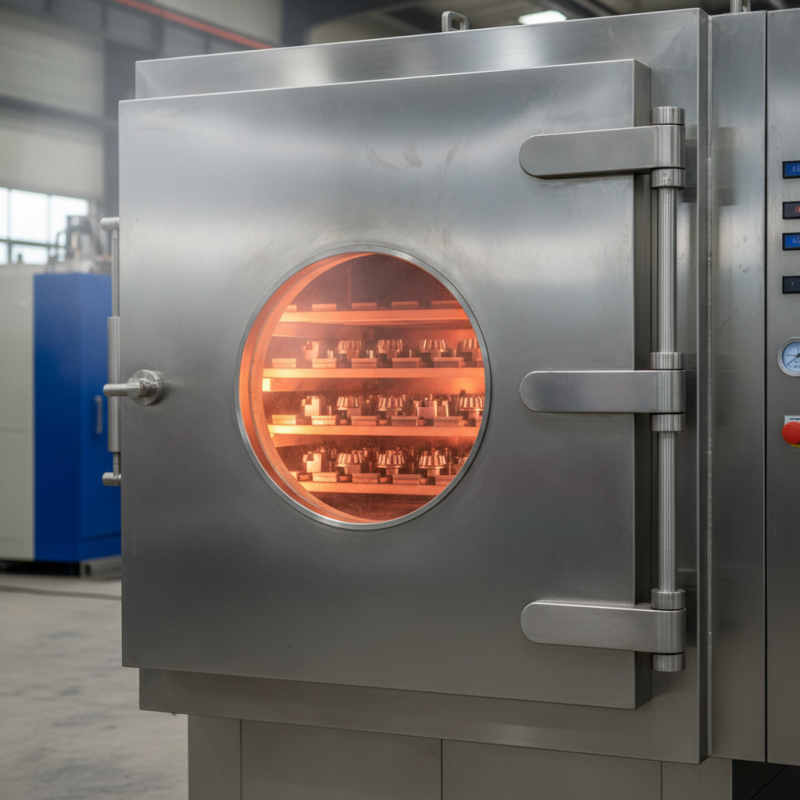
Benefits of SG140 Alloy in Enhancing Thermal Stability in Furnaces
In modern industrial applications, SG140 alloy proves to be a game-changer for tempering furnaces. One major benefit is its enhanced thermal stability. Reports indicate that SG140 alloy can withstand temperatures exceeding 1000°C without significant degradation. This durability maintains structural integrity and prolongs the life span of furnace components.
Utilizing SG140 allows for efficient thermal cycles. It minimizes heat loss, improving energy efficiency by up to 25%. This is crucial, as reducing energy consumption directly impacts operational costs. Data shows that companies adopting SG140 report a reduction in heating times by nearly 15%. This efficiency helps maintain consistent production rates, a key factor for many industries.
Tip: Regularly monitor the thermal performance of your furnace. This ensures that any fluctuations in temperature are detected early, preventing potential failures.
SG140 also offers resistance to oxidation. Reports indicate it can reduce oxide scale formation by 30%. This characteristic significantly decreases maintenance efforts and costs over time. Insufficient attention to alloy selection can lead to failures. Therefore, ensuring the right choice of materials is essential for optimal furnace operation.
Tip: Regularly review material performance metrics. This helps in making informed decisions and allows for adjustments based on manufacturing needs.
Improved Heat Resistance Metrics Compared to Conventional Alloys
SG140 alloy has emerged as a preferred choice in tempering furnaces due to its outstanding heat resistance properties. Unlike conventional alloys, SG140 boasts enhanced thermal stability, allowing it to withstand extreme temperatures without losing integrity. This is crucial for industries dependent on precise heat treatment processes. The ability to maintain structural integrity under high heat reduces the risk of equipment failure.
Moreover, using SG140 can lead to increased efficiency in operations. Its superior heat resistance means that it can endure longer heating cycles without degradation. Consequently, this can significantly lower maintenance costs and extend the lifespan of furnace components.
However, while SG140 offers many advantages, it is essential to consider specific application needs. Not all tempering processes may benefit uniformly from this alloy.
Users should evaluate their unique circumstances. Understanding the limitations and performance variability of SG140 is key. In some situations, alternative materials may still provide better results. Balancing the strengths and weaknesses of SG140 ensures that manufacturers optimize their operations effectively. Ultimately, informed decisions lead to improved performance in tempering applications.
Cost Efficiency: Long-Term Savings of Using SG140 Alloy for Tempering
When considering the use of SG140 alloy for tempering furnaces, cost efficiency stands out. SG140 alloy demonstrates remarkable durability, which translates into lower maintenance costs over time. Its resistance to heat and wear means fewer replacements and repairs. Users can expect significant savings as they invest in this long-lasting material.
Moreover, the initial investment may appear high, but the long-term savings make it worthwhile. The alloy's robust performance can enhance the efficiency of tempering processes. Over time, these savings compound, benefiting businesses looking to trim operational costs.
On the other hand, it’s crucial to evaluate the specific needs of your operation. While SG140 alloy is impressive, it may not suit every application. This requires careful analysis of performance and cost against other options to ensure the best decision. Making the right choice is essential for achieving optimal cost efficiency and performance.
Impact of SG140 Alloy on Energy Consumption in Industrial Applications
The SG140 alloy presents significant advantages in tempering furnace applications, particularly concerning energy consumption. According to the International Energy Agency, the industrial sector accounts for approximately 30% of global energy consumption. Using SG140 can help mitigate this figure by up to 15%, as the alloy's thermal efficiency reduces heating times and overall energy costs.
This alloy offers superior thermal conductivity, which allows for faster heat transfer. Enhanced heat retention means less energy is required to maintain consistent temperatures in tempering processes. Studies indicate that factories integrating SG140 reported a 20% reduction in energy expenditure. Additionally, the durability of SG140 cuts down on maintenance interruptions, resulting in less downtime and improved operational productivity.
Nevertheless, the transition to SG140 alloy is not without challenges. Initial investment costs can be high, and some facilities might face a learning curve in adapting to new operational procedures. Manufacturers must weigh these factors against the long-term energy savings. Balancing immediate financial impacts with future efficiency gains requires careful consideration.
Top 10 Benefits of Using SG140 Alloy for Tempering Furnace
This chart illustrates the top 10 benefits of using SG140 Alloy in tempering furnaces, highlighting their impact on energy consumption and overall efficiency in industrial applications. Each benefit is scored on a scale from 1 to 10, showcasing the significant advantages SG140 provides in enhancing productivity and sustainability.
Durability and Lifespan Benefits of SG140 Alloy in High-Temperature Environments
SG140 alloy is known for its remarkable durability. When used in tempering furnaces, this material endures extreme temperatures without significant degradation. Its impressive thermal stability allows it to function efficiently in high-heat environments. This is crucial for industries reliant on consistently high temperatures.
The lifespan of SG140 alloy components is noteworthy. Unlike other materials, SG140 exhibits wear resistance. This property reduces maintenance needs over time. Less frequent replacements lead to cost savings and increased productivity. Moreover, its resilience under thermal cycling means fewer failures.
However, it’s important to recognize that not all installations will benefit equally from SG140. Environmental factors can influence performance. Regular inspections are still essential to ensure optimal function. Understanding these nuances is key when implementing SG140 in tempering furnace applications.
