Why Choose LED Lights for Your Home: Benefits and Cost Savings Explained
In recent years, the adoption of LED lights has surged, with homeowners increasingly recognizing the multitude of benefits that come with this innovative lighting technology. LED lights, known for their energy efficiency and long lifespan, represent a significant advancement over traditional incandescent bulbs. By choosing LED lighting, households can not only enjoy brighter and more versatile illumination but also experience substantial cost savings on their energy bills.
Moreover, the environmental impact of switching to LED lights cannot be overlooked. With a lower carbon footprint and reduced energy consumption, LED lights contribute to a more sustainable lifestyle. The enhanced durability of these bulbs means fewer replacements, leading to less waste over time. Overall, making the transition to LED lighting is not just a wise financial decision but also a step towards a greener future, making it an ideal choice for modern homes.
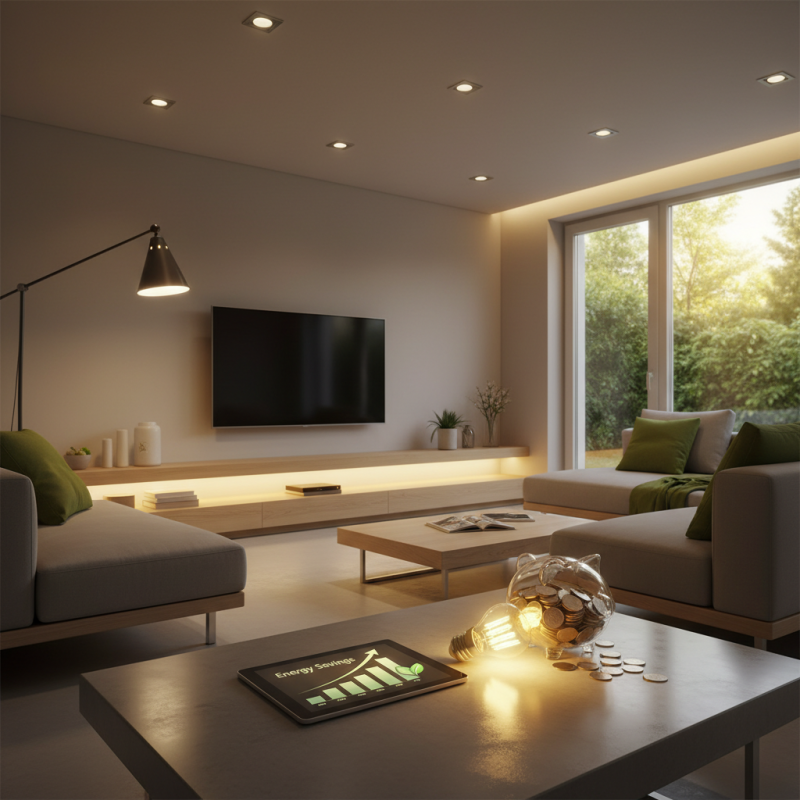
Benefits of LED Lighting: Energy Efficiency and Longevity
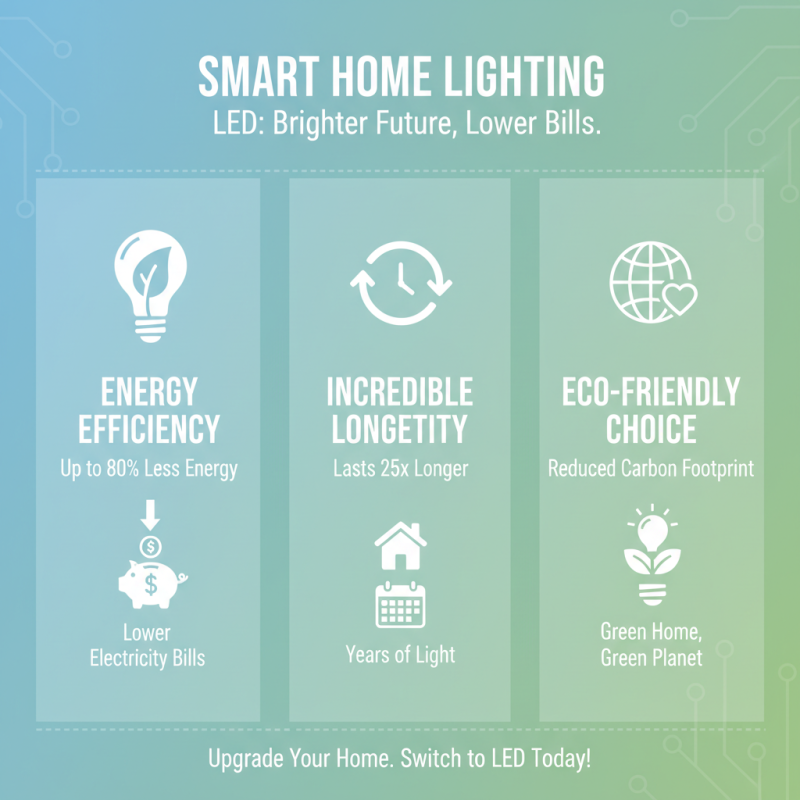
When considering lighting solutions for your home, the benefits of LED lighting stand out, particularly in terms of energy efficiency and longevity. LED lights consume significantly less energy compared to traditional incandescent bulbs, which translates to lower electricity bills. By using LED lighting, homeowners can reduce their energy consumption by up to 80%, making it an eco-friendly option that benefits both the environment and your wallet.
In addition to energy efficiency, LED lights boast impressively long lifespans. While traditional bulbs may last around 1,000 hours, LEDs can last up to 25,000 to 50,000 hours. This longevity means fewer replacements, less waste, and further savings over time. Choosing LEDs allows you to enjoy reliable, bright lighting without the frequent hassle of bulb changes, allowing you more time to focus on life’s important things.
**Tips for Transitioning to LED Lighting:**
1. Start simple: Replace frequently used bulbs first, like those in your living room or kitchen, to experience the benefits immediately.
2. Consider dimmable options: Many LED lights now come with dimming capabilities, giving you complete control over the ambiance of your spaces.
3. Use smart technology: Integrating LED lights with smart home systems can optimize energy use and provide convenience through remote control and scheduling features.
Cost Analysis: Initial Investment vs. Long-Term Savings of LED Lights
When considering the transition to LED lights for your home, it's crucial to conduct a thorough cost analysis that weighs the initial investment against long-term savings. Although LED lights typically have a higher upfront cost compared to traditional incandescent or fluorescent bulbs, industry reports indicate that they can lead to substantial savings over time. According to the U.S. Department of Energy, switching to LED lighting can reduce energy consumption by up to 75%, resulting in annual savings of approximately $200 for the average household. Given that LED bulbs last up to 25 times longer than incandescent bulbs, homeowners can expect to significantly decrease replacement costs, which further enhances the overall value.
When assessing your options, it's beneficial to calculate your potential return on investment (ROI). Factor in your local electricity rates and the estimated lifespan of the bulbs to gauge how quickly you'll start recouping your initial expenses. Moreover, energy-efficient lighting can enhance your home’s value, as improved efficiency and lower energy bills are attractive features for potential buyers.
Tips: Start by replacing the most frequently used bulbs in high-traffic areas of your home, such as living rooms and kitchens, to maximize your savings. Consider installing dimmer switches and smart lighting controls to further enhance efficiency and convenience. Lastly, look for bulk purchase deals or rebates offered by local energy providers, which can help lower your initial costs when switching to LED lighting.
Environmental Impact: LED Lights and Reduced Carbon Footprint
LED lights have emerged as a shining beacon in the quest for sustainable living, significantly impacting our environment by reducing carbon footprints. Traditional incandescent and fluorescent lights consume more energy, thereby increasing greenhouse gas emissions during electricity generation. In contrast, LED lights require substantially less power to produce the same amount of brightness. This lower energy consumption contributes to a decrease in the overall demand for electricity, which subsequently reduces the burning of fossil fuels and other harmful emissions associated with power generation.
Moreover, the longevity of LED lights further enhances their environmental benefits. Unlike conventional bulbs that may need regular replacements, LEDs last significantly longer—often up to 25 times more than traditional options. This durability minimizes waste, as fewer bulbs end up in landfills where they can leach harmful substances. The reduction in manufacturing and disposal processes not only conserves resources but also lessens the environmental impact linked to production activities. By making the switch to LED lighting, homeowners can take crucial steps toward a more sustainable lifestyle, promoting both energy efficiency and environmental stewardship.
Lighting Quality: How LEDs Enhance Home Ambience and Productivity
LED lights have transformed the way we illuminate our homes, significantly enhancing both the ambience and overall productivity of living spaces. One of the standout features of LED lighting is its ability to provide high-quality illumination that mimics natural daylight. This type of lighting not only brightens up a room but also enhances colors and details, making spaces feel more inviting. When utilized in home offices or study areas, the clarity offered by LED lights can improve focus and concentration, creating an ideal environment for productivity.
When considering how to implement LED lighting into your home, here are some tips: First, pay attention to the color temperature of the LEDs; warmer tones can create a cozy atmosphere in bedrooms and living areas, while cooler tones are better suited for task-oriented spaces. Secondly, consider using dimmable LED options to easily adjust lighting levels according to various activities throughout the day. This flexibility ensures that your home remains functional and inviting regardless of the time or purpose.
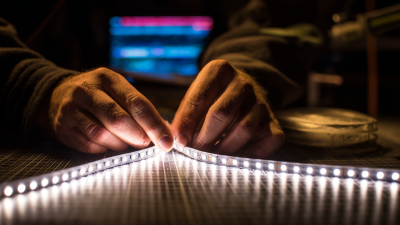
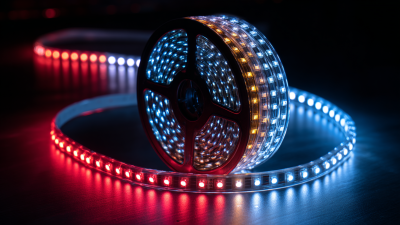
In addition, strategically placing LED lights can further enhance your home’s ambience. Utilize under-cabinet lighting in kitchens, or install LED strip lights behind furniture to create a soft glow that adds depth to your decor. These small changes can dramatically alter the mood of your home, making it feel more personalized and lively.
Why Choose LED Lights for Your Home: Benefits and Cost Savings Explained
| Feature |
Description |
Estimated Cost Savings ($/Year) |
| Energy Efficiency |
LEDs use up to 80% less energy compared to traditional incandescent bulbs. |
$100 |
| Longevity |
LEDs last 25,000 hours on average, reducing replacement costs. |
$30 |
| Low Heat Emission |
Produces minimal heat, reducing cooling costs in warm months. |
$20 |
| Enhanced Ambience |
Available in various colors and temperature ranges to suit mood and decor. |
N/A |
| Instant Lighting |
Provides full brightness instantly, unlike some fluorescent lights. |
N/A |
| Improved Productivity |
Better lighting conditions contribute to enhanced focus and efficiency. |
N/A |
Popular Applications: Where and How to Use LED Lights in Your Home
LED lights have become increasingly popular in home lighting due to their versatility and energy efficiency. One of the most common applications is in the kitchen, where bright, focused lighting is essential for cooking and food preparation. Installing LED strip lights under cabinets not only illuminates work surfaces but also adds a modern touch to the kitchen design. Additionally, the cool color temperature of some LED lights can make spaces feel more open and inviting.
Another popular application for LED lights is in living areas, such as the living room or family room. Soft white LED bulbs can create a warm ambiance, perfect for relaxing evenings or gatherings with family and friends. Using dimmable LED fixtures allows homeowners to adjust the brightness according to the occasion, enhancing comfort and versatility.
Outdoor spaces, too, benefit from LED lighting; string lights or pathway lights can create a welcoming atmosphere while ensuring safety and security in the yard or garden, all while consuming less energy than traditional lighting options.